ITV Studios

Name of the show:
Austin
Running length/eps:
Season 1: 8 x 30 mins
Season 2: 8 x 30 mins (coming soon)
Short logline:
When author Julian’s offensive social post goes viral, his career seems over until his neurodiverse son Austin suddenly arrives.

What is the elevator pitch for the show?
When much-loved children’s author Julian Hartswood inadvertently causes a social media storm, his career and that of his illustrator wife Ingrid appears to be over. That is until Austin, the neurodiverse son that Julian never knew existed, turns up out of the blue. Could embracing this modern blended family be Julian’s route back from cancellation? Will Ingrid forgive him for being such a pompous shit? One thing is for certain: if Julian thinks Austin is going to be a pushover, he’s in for a rude awakening.
From the award-winning producers of Spreadsheet and starring British comedy legends Ben Miller and Sally Phillips, alongside Love on the Spectrum’s enchanting Michael Theo, Austin is an original comedy-drama full of whip-smart dialogue and laugh-out-loud moments, and a warm, optimistic and emotive study on becoming a family and accepting and celebrating each other for who we are.
How important was it to secure Michael Theo’s involvement?
It was critical. A lot of Michael’s lived experience permeated the script and the storylines, and also that of his mother, Vanessa, who talked a lot about how she nurtured Michael, how she encouraged him and how hard it was for her hearing things like he was unlikely to say ‘I love you’ or show any emotion. She said, ‘I can’t accept that’ and the character of Austin’s mother, Mel, is very much shaped around that. Like in the show, she would drop him off at work and then she would just sit in the car, watching and going, ‘I hope everything is OK.’ As for Michael’s involvement, he was across all the scripts and the storylines, and also for him it was important that it was his version of being on the spectrum. We had a saying on set, and I think it came from Michael’s mother, which went, ‘If you’ve met one neurodiverse person then you’ve met one neurodiverse person.’
What do Ben Miller and Sally Phillips bring to the show?
Ben suggested Sally as Ingrid and obviously everyone loves Sally. She is a comic genius and the two of them together have an on-screen chemistry that is quite rare, I think. They’re both willing to try different things. They are not afraid to go to comic places for their characters. They also bring great stuff to the scripts, like story and character notes. And because of her own neurodiverse family, Sally really connects with Michael.
It must be exciting to know that the show will be reaching a big audience on the BBC?
Very. For the show to go out on the BBC is really exciting. I grew up on all those classic BBC comedies, so it’s an honour.
The first season of Austin has captivated audiences. With season two on the way, what can fans look forward to next?
We’ve been referring to Season 2 as the “rom com” season. Love is in the air – pretty much for everyone. But in contrast to the romance, Austin breaks bad! When his book, An Autistic Guide To Britain is published and begins to do well, he becomes seduced by fame, falling under the Machiavellian spell of his new literary agent. It’s a lot of fun. Meanwhile, Ingrid and Julian are given the opportunity to produce a Big Bear TV series, but like their screwball relationship, it’s full of ebbs and flows. Ultimately Julian goes to extreme measures to save their marriage.
Do you feel a responsibility to represent autism in a positive and informative light?
I think the best way to describe it is that you are representing it honestly and authentically. We had consultants and people advising us along the way, and there were so many people with experience of neurodiversity among the cast and crew, our writers and creatives. But fundamentally Michael’s experience and his family were instrumental in guiding us. We didn’t try and impose anything on it or make anything up. We would often ask Michael if something was authentic or how he would behave in a given situation.
How did Billie Piper become involved?
Actually, Billie was friends with Ben and Jess [executive producer Jessica Parker]. She liked the scripts, and she liked the idea of playing herself, and she was fantastic. She was so good to work with because she was no-fuss and just a lovely person.
What were the logistics of filming in both England and Australia?
I always describe the film industry as modern-day carny folk. It doesn’t matter where we circle our wagons, there’s a language that everybody understands. The crews are fantastic in the UK, and I think the Australian crews have grown up in the system from the UK as well, because there’s always been that great relationship. So in terms of logistics, it wasn’t difficult at all. On the first day of the shoot it happened to be bin day, so we spent the first half-hour running around trying to move the bins out of shot. Then, half-way through the shoot, the trucks arrived, and the bins had to come back out. But apart from that it was fantastic. It ran like clockwork.
Mike Beale, MD of creative network at ITV Studios, is refreshing established brands, surprising fans with spin-offs, keeping an eye on the digital space for new IP and flexing to suit buyers’ needs.
ITV Studios has one of the broadest formats catalogues in the market, spanning established global franchises, growing brands and new launches. What are you most excited about across the portfolio right now, and what do you think sets the catalogue apart?
It is probably true to say that at no other time has more content been more available across so many different formats and platforms. As we constantly adjust to this shifting market our goal is to have formats that can plug into broadcaster and platform needs from shortform digital formats to some of the biggest global shows currently available.
READ MORE
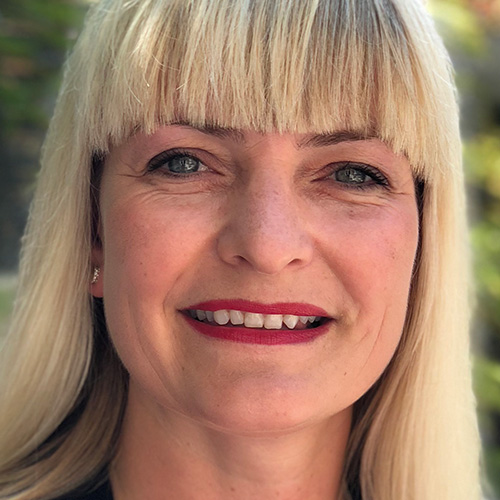
ITV Studios’ unscripted slate is going to be hot at next month’s Mipcom, according to senior VP of global content unscripted Cecilie Olsen, VP of global content unscripted Amy Stone and VP of scripted and unscripted Harry Arkwright.
 There’s real breadth to the ITV Studios unscripted line-up this year, from 70 Up and major history to natural history and contemporary crime. What are you seeing audiences respond to at the moment?
Cecilie Olsen: What’s interesting is that there isn’t one answer. Different audiences want different things, but there is still a real appetite for programmes that feel distinctive and have a clear reason to exist. That might be a television landmark like 70 Up; an ambitious historical investigation such as Jesus Christ: The Man, The Mystery; or something completely different like World’s Wildest Cities.
They’re very different programmes, but each starts with a strong idea and great storytelling. We’re also fortunate to work with exceptional producers and filmmaking talent. In such a competitive landscape, that combination of a distinctive idea and brilliant execution still matters enormously.
The Chase breaks out of the studio and into the real world, as eight pairs battle it out in a global treasure hunt, using trivia-based clues to work out where to go next. The more they know, the further they go.
The Chase Around the World launched strongly, with its first three episodes averaging 2.6 million viewers in consolidated viewing, including repeats. It also attracted a younger audience than the flagship show – 29% of viewers were under 55, compared with 19% for The Chase.*
ITV Studios’ Mike Beale unpacks The Chase Around the World, the Bright Entertainment-produced format that combines the familiar appeal of The Chase with a real-world adventure race across spectacular locations.
Producer:
Bright Entertainment
Distributor:
ITV Studios
Broadcaster:
ITV1
Running length/eps:
6 x 60 mins
TX:
16th July 2026
Genre:
Unscripted Format, Gameshow, Adventure

What is The Chase around the world?
At its heart, The Chase Around the World takes everything audiences love about The Chase, including knowledge, jeopardy, strategy and, of course, Bradley Walsh and the Chasers, and puts it into an entirely new world.
Six pairs set off on an epic global adventure, but this isn’t simply a race from A to B. They have to use their knowledge to work out where A, B, C and D actually are.
Along the way, they’re given clues, or have to answer questions, which lead them from one location to the next. Sometimes they’ll know the answers immediately. Other times they’ll need to explore, or waste valuable time trying to figure it out.
So rather than answering questions in a studio, contestants are using what they know to navigate the real world. Wrong answers have consequences. It turns knowledge into action – on a huge scale.
What makes it unique?
I think the big idea is incredibly simple: the more you know, the further you go.
And it’s not just about traditional general knowledge. They need all kinds of intelligence, including social, logical, spatial and emotional. They might recognise a historical reference, but can they use it to find the right location in an unfamiliar city? Can they correctly navigate their way across that city with just a paper map? Can they think laterally and solve da Vinci-style clues to track down their next destination?
Then you have the scale of it. We’re taking the tension and jeopardy audiences associate with The Chase and playing it out against spectacular landscapes, cities and iconic landmarks around the world, but the format is fully scalable, from a multi-country European chase to a single country, region or even one city. It is compelling quizzing, based in the real world.
It feels unmistakably like The Chase, but you’ve never seen The Chase like this before.
How does the format work?
In each episode, the pairs must work their way through a series of rounds that the Chasers have set for them, before finding Bradley at the finish line. These rounds are made up of questions and clues. If the contestants answer correctly, they’ll travel the fastest route possible to the next round. Speed is of the essence, because the last pair to reach Brad at the finish line have to take on two of the Chasers in a head-to-head quiz. If they lose, they go home. In the final episode, the pair who reach the finish line first win £100,000.
Each episode begins with the pairs being dropped into an unfamiliar location without knowing exactly where they’re going. Right away, they must take on a quickfire quiz. Their performance in this quiz determines how quickly they can move off and head towards the next round.
Across each episode, the Chasers deliver clues and questions either through real-world landmarks, signs and notices, or via the contestants’ electronic tablets. Sometimes pairs will know the answers immediately. Other times they’ll need to explore their surroundings, or travel to other destinations to get more information.
At the end of each leg comes the ultimate test of knowledge, as one pair face off against two Chasers to stay in the game.
What are the key twists in the format?
The biggest twist is that the winning pair in each city earns a powerful advantage. At the start of the next episode, they decide the order in which the other pairs receive their questions in the opening quiz, and therefore the order in which the pairs set off. This is crucial because any delays are hard to claw back, and no one wants to finish last and have to face the Chasers.
This creates a real strategic game. They can choose to give their biggest rivals the biggest disadvantage by sending them off last, making it harder for them to avoid facing the Chasers. However, it means that, moving forwards, they may have a target on their back. They could make enemies of one of the strongest pairs.
So being the smartest doesn’t just get you ahead; it gives you the power to shape the race and put your competition under pressure.
What are the auspices for the show, including key talent and producers?
The show is produced by Bright Entertainment and builds on one of the world’s most recognisable entertainment brands.
Bradley Walsh connects the adventure back to The Chase, which audiences already know and love. He welcomes the pairs to the journey at the start of the series, keeps tabs on their progress, and is at the finish line in each episode, bringing the warmth and humour that’s so integral to the brand.
And then you have the Chasers themselves. They’ve been let loose from the studio and are very much out in the real world. They orchestrate and set the course for the contestants, plus comedically spy on their progress along the way. They are also the Goliaths that must be conquered at the end of each episode, set against spectacular backdrops.
What do you see as the audience for the show?
It’s a big, broad entertainment proposition. You’ve got the accessibility and play-along appeal of The Chase, but you’re combining that with travel, adventure, competition and really strong human stories between the pairs.
You don’t have to be a quiz obsessive to enjoy it. You can play along with the knowledge, become invested in the race and the relationships between the pairs, or simply experience these incredible places alongside them.
That’s what gives it the potential to feel like really big family entertainment.
Why does the format travel?
There’s a wonderful symmetry to taking The Chase, which is already a hugely successful international brand, and literally sending it around the world.
The culture, history, geography, food and stories of each location become part of the gameplay rather than simply being a backdrop. And the core engine is universal: use your knowledge to find your way, stay ahead of the competition and ultimately try to beat the Chasers.
Importantly, we’ve already seen The Chase spin-offs succeed in territories that don’t have the original show, so you don’t need an established local version of The Chase to make this format work. And in The Chase Around the World, celebrities or famous quizzers can step into the shoes of the Chasers, giving each territory the flexibility to make it their own.
At its heart, it’s a classic treasure hunt game, which makes it incredibly accessible and adaptable.
How does it fit within your catalogue?
It represents something really exciting for us because it’s about taking a hugely established piece of IP and evolving it in an ambitious new way.
The DNA of The Chase remains incredibly strong, with knowledge, jeopardy, strategy, humour and brilliant characters, but we’re taking that DNA into the premium adventure space.
Importantly, it also works as a standalone format in its own right. You don’t need to know The Chase to understand the simple proposition at its heart: a knowledge-fuelled adventure where the more you know, the further you go.
That gives us something that feels both reassuringly familiar and genuinely new.
What is your ambition for the format?
The ambition is to grow the Chase brand in both new and existing markets.
Crucially, you don’t need to already have The Chase to take this on. It’s a great entry point to the brand, while established Chase markets have an ambitious new way to extend a much-loved franchise.
*Source: ITV Studios Global Insights / BARB / TechEdge / AdvantEdge; +1 channel included
Robert Samuelson, VP of global content at ITV Studios, explains how the show provides a moving and shocking account of how sexual assault is handled and the impact he hopes it will have.
Broadcaster: ITV
Distributor: ITV Studios
Producer: Etta Pictures

What makes Believe Me unique?
This drama, based on a true story, follows survivors of a serial sex offender who, after his eventual conviction, joined forces to sue the Metropolitan Police under the Human Rights Act for the way they had been treated and for failing to properly investigate their cases. After winning that fight, they were then forced to fight again to overturn the decision to release their attacker on parole. These actions were unprecedented and demonstrated immense courage on the part of these three women, whose stories feature in the drama.
By focusing on the survivors and examining the aftermath of the assaults – and their treatment at the hands of the police – we present a fascinating, moving and shocking portrayal of the handling of sexual assault in the 21st century, one that women everywhere will recognise, resonate with and feel deeply connected to.
What are the auspices for the show, including key talent, writers, directors and producers?
Believe Me is written by Jeff Pope MBE, one of the UK’s pre-eminent creators of fact-based drama and an Academy Award-nominated, multiple BAFTA winning writer and producer. It is directed by Julia Ford, winner of the Royal Television Society Award for directing International Emmy-winning drama Until I Kill You. Believe Me stars Aimée-Ffion Edwards (Slow Horses), Aasiya Shah (Raised by Wolves), Miriam Petche (Industry) and Daniel Mays (Line of Duty).
Who do you see as the audience for the show?
This is an important story and one that we hope will appeal to a broad, global adult audience.
What is your ambition for the show?
We hope Believe Me will provoke meaningful discussion and conversation and ultimately inspire change to the way the police and judicial systems deal with survivors of sexual assault.
What else is important to mention in terms of the show?
Believe Me is a beautifully made drama, sensitively shot and portrayed. The script is based on dozens of hours of interviews with the survivors we feature and extensive research, resulting in a story that is both deeply authentic and profoundly moving.
Show: Two Weeks in August
Directors: Tom George and Matthew Moore
Producer: Rhonda Smith
Prodco: Various Artists
Run time: 8×60’
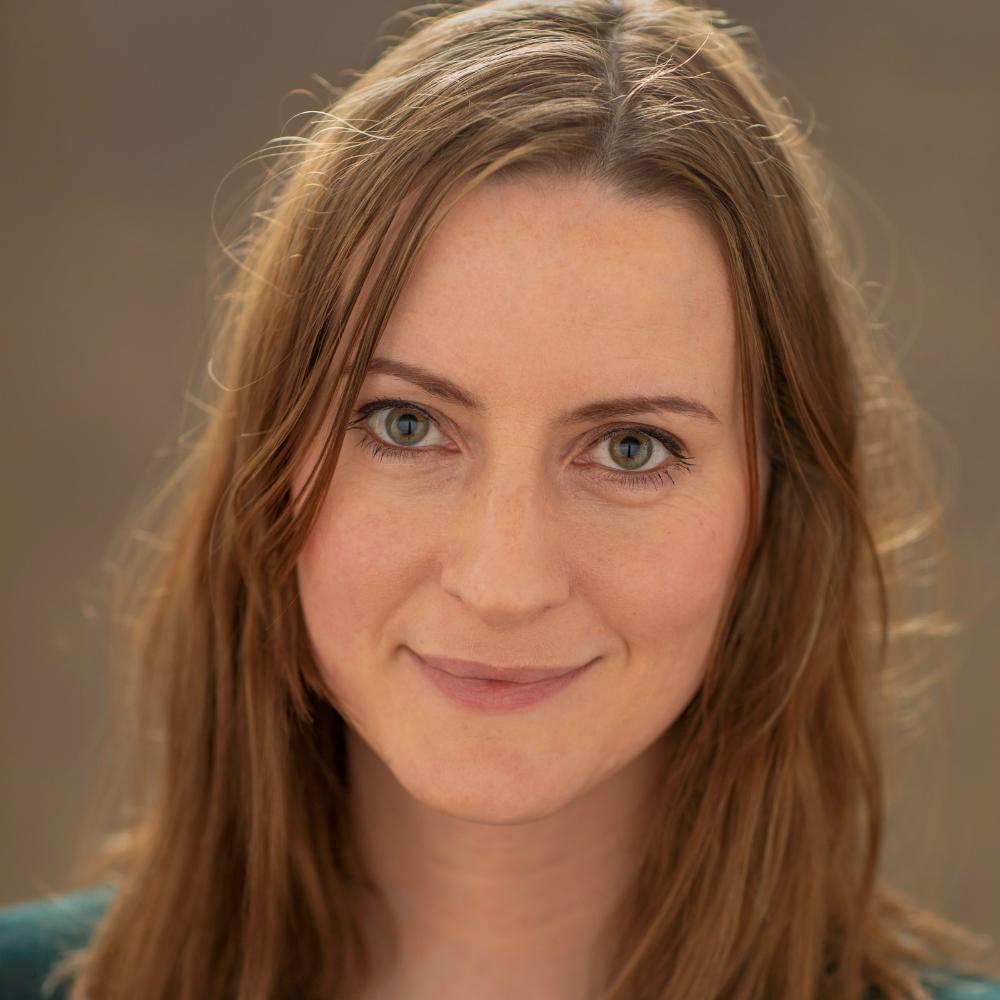
Catherine Shepherd, creator and writer of Two Weeks in August, on how a show about a Mediterranean holiday has big ideas and real-world problems at its heart.
What makes the show unique?
Two Weeks in August is a show about a group of old friends on holiday trying to escape from reality realising they can’t escape from themselves. The story is told through a very British lens; our politeness and tendency towards emotional repression is a feature of the show – something that is both tragic and very funny. This isn’t a show about the super-rich but about a real group of people with real-world problems: not enough money, dealing with failure, the inability to admit that they’re stuck, that their relationship is in crisis. I love the details of group holiday dynamics in the story, who puts what into the kitty, who gets the best bedroom. I’m very proud of the tone of the show, which walks the line between comedy and tragedy, where for me, the most truthful things exist.
Who do you see as the audience?
The characters in the show are relatable to a diverse and broad audience. A lot of women will relate to the character of Zoe, who spent a lot of her life looking after everyone and being a good wife, mother, daughter and friend and suddenly finds she can’t do it anymore. It’s thrilling to watch what happens when a people pleaser stops trying to please everyone and starts to express her darker and more unconscious desires.
Also, many people will relate to the idea that a holiday will heal a relationship in trouble and the crushing truth that a holiday often sheds bright sunlight on the cracks in a relationship rather than making it better. How many of us have broken up with someone on holiday? If you can’t be happy in paradise, maybe it’s not going to work!
Many people will have been the ‘single friends’ who feel like they’re infantilised, playing second fiddle to the married couples with kids. All the characters go on interesting journeys and I hope that although they make some bad decisions, the audience will empathise with each of them. They’re all trying to be happy, love and be loved.
What is your ambition for the show?
I hope people enjoy being transported to the Mediterranean in all its beauty, that they’re taken on an exciting and surprising ride and laugh a lot, but also connect to the emotional and existential heart of the show. I would love the audience to feel a sense of solidarity with the characters and their angst. In a scary and uncertain world, how do we live happy and fulfilled lives? The character-driven story has a big idea at its heart.
Is there anything else to highlight?
Expect some characters from Ancient Greek mythology. This is the land of the gods we’re in and the canvas is epic.
Show: The Neighbourhood
Producer: Lifted Entertainment and The Garden (part of ITV Studios)
Distributor: ITV Studios
Broadcaster: ITV1
Running length/eps: 11 x 60’
Mike Beale, managing director, creative network at ITV Studios discusses The Neighbourhood, where six households live side by side, competing in a high-stakes reality game for a cash prize.

What is The Neighbourhood?
At its heart, The Neighbourhood is a social game played through everyday life. We take something completely familiar, a suburban street, and turn it into a competitive arena. Real households move in and live side by side full-time, taking part in challenges, socialising together, and ultimately deciding each other’s fate through a public vote.
What’s interesting is that success isn’t just about winning challenges. You also have to manage relationships, alliances and perceptions. Because at the end of the day, your neighbours decide whether you stay or go. So it becomes this really rich mix of strategy, social dynamics and popularity, where what happens over the garden fence is just as important as what happens in the game.
What makes it unique?
The big hook is the setting. Suburbia is something everyone recognises, it feels warm, familiar and relatable, but underneath that, there’s a very sharp competitive format at play.
We’re also casting households (as opposed to just families) rather than individuals, which gives you a completely different dynamic. You’ve got built-in relationships, shared decision-making, and often conflicting agendas within the same home. And tonally, it sits in a really interesting space. It has the emotional storytelling of a soap, the strategy of a social game, and the relatability of real domestic life. It’s not heightened or artificial, the drama comes from real behaviour, just under pressure.
How does the format work?
Each episode of the show is driven by a really clear structure. The households live together on the street full-time, and they take part in challenges that are inspired by everyday neighbourhood life. Winning those challenges is important because it can earn you safety from the vote. Alongside that, you have social events, things like BBQs, gatherings, moments where relationships can build or fracture. And those are just as important as the challenges, because everything feeds into the vote.
At the end, the households publicly decide who to remove from the street, marked by a “For Sale” sign going up outside the house. It’s a great bit of TV theatre! And then we keep evolving it, new households can arrive, rules can shift, alliances change, so the power is constantly resetting.
What are the key twists in the format?
One of the key things is that everything is public. The votes are out in the open, the decisions are visible, and the consequences are immediate. There’s nowhere to hide, which creates a very different kind of tension. We also play with the structure as the series goes on, introducing new households, changing the rules around how you compete and how you vote, and shifting the balance of power on the street.
And because you’re dealing with households, not individuals, every decision has another layer. You’re not just thinking about your own game, you’re thinking about your family, your friends, your partner, your household dynamic.
What are the auspices for the show, including key talent and producers?
It’s a really exciting collaboration between Lifted Entertainment and The Garden. Lifted brings that scale, ambition and experience in big entertainment formats, and The Garden comes at reality and competition from a background in documentary, so brings a level of authenticity and curiosity about character. So together, you get something that feels both premium and very real.
We also have Graham Norton fronting the show in the UK, which brings a huge amount. He has that rare ability to balance warmth with a very sharp, knowing humour, which is exactly what the format needs. He can lean into the awkwardness and the tension of the street, but never let it tip into something that feels uncomfortable – he keeps it playful, grounded and very watchable.
What do you see as the audience for the show?
It’s a broad, family-accessible format at its core. There’s something very universal about neighbourly dynamics – everyone understands those relationships, those tensions, those small moments that can escalate. It works as big, entertaining co-viewing, but there’s also a strong strategic layer for audiences who like to lean in and think about the gameplay. So you’ve got that balance between warmth and relatability, and something that’s genuinely quite smart underneath.
How does it fit within your catalogue?
It sits in that space where big, premium entertainment meets strong social format design. We’re always looking for ideas that are simple to understand but have real depth once you get into them. It feels fresh because of the setting, but it also has a very robust engine underneath, which makes it a strong addition to our unscripted slate.
What is your ambition for the format?
We see this as a format with real global franchise potential. The beauty of it is that it takes something universally understood and reveals it in a completely new way. It’s familiar, but it plays out in a way that feels unpredictable and strategic. Ultimately, it’s about creating a show where every interaction matters, and where the audience can watch those relationships evolve, shift and sometimes fall apart.
Celebrity Sabotage is the all-out comedy gameshow where the celebs are undercover, the shows are fake and the contestants have no idea they’re part of the ruse.
Producer: Lifted Entertainment (part of ITV Studios)
Distributor: ITV Studios
Broadcaster: ITV1
Run time: 6×60’
TX: March 21, 2026
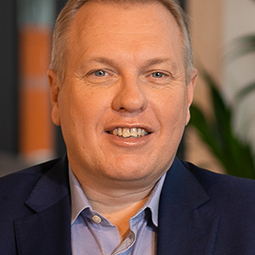
Mike Beale, MD of the global creative network at ITV Studios, on why recently launched gameshow Celebrity Sabotage has already reached 2.6 million viewers and ranked as the number one primetime show for 16-24s for two consecutive weeks.
What is Celebrity Sabotage?
At its heart, Celebrity Sabotage is a show where the real game is happening behind the scenes. Each episode starts with what looks like a completely believable competition format; it could be a cook-off, a business challenge, a dating show. The contestants think they know the rules. They think they’re playing to win.
But what they don’t know is that hidden away in Mission HQ, a group of celebrities are watching and waiting to sabotage.
That’s because they’re set sabotage missions to disrupt the game, derail the contestants, and create chaos without getting caught. And the better they do it, the more money is added to the prize pot which the contestants will share.
So you’ve got two shows running at once: the show the contestants think they’re in and the one the audience is really watching.
What makes it unique?
The big hook is that the contestants are completely in the dark. We’re not just playing with gameplay, we’re playing with perception. The audience is in on the joke from the start, which creates a really fun, mischievous dynamic as everything begins to unravel.
The second thing is how we use celebrities. They’re not hosting or judging, they’re active players. They’re undercover, in disguise, sometimes right in front of the contestants causing problems in plain sight. And what we love is that they’re doing it for a reason, because the better they sabotage without getting caught, the more money they’re adding to the contestants’ prize pot.
The fake show hosts are in on it too, and often become part of the sabotage themselves, whether that’s subtly steering the action or getting directly involved. We’ve had moments where they’re right at the centre of it, like Matt and Emma Willis arguing in a hot tub, all while the contestants remain completely unaware.
Structurally, the show reinvents itself every episode. Each week is built around a different ‘fake show’, so you get constant variety – new worlds, new rules, new ways to play. It’s playful, unpredictable and has real scale.
How do the sabotage missions actually work?
Celebrities are given a series of missions from Mission HQ that are tailored to the world of that episode. Some are small, subtle bits of mischief designed to throw contestants off. Others are big, bold set pieces that can completely derail the challenge.
There is only one rule: don’t get caught. The goal is to create chaos while convincing the contestants that any failure is their own fault, and do it while evading the contestants And those missions escalate as the episode goes on – they get bigger, riskier and more valuable. So the tension builds all the way through.
What are the key twists in the format?
One of our favourite twists is what happens when a contestant catches a celebrity in the act of sabotage. If they call it out, they’re removed from the game and brought into Mission HQ, where they’re given a choice. They can take a sum of money and leave or they can join the celebrities and become an insider for the celebrities, helping them to successfully sabotage for the rest of the show. themselves.
So the game is constantly evolving. It can recruit from within, which adds another layer of unpredictability and keeps both the contestants and the audience on their toes.
What are the auspices for the show, including key talent and producers?
The show is produced by Lifted Entertainment, who have an incredible track record in big, bold reality formats and know exactly how to handle scale, casting and entertainment.
It’s a very talent-led format. Each episode features guest celebrity saboteurs who bring their own style of mischief, comedy and chaos to the missions. That rotating cast helps keep the show feeling fresh and gives each episode its own identity.
Behind the scenes, it’s a team that really understands how to balance structure with spontaneity, but you need a strong format engine, and you also need to leave room for the unexpected, because that’s where the magic happens.
What do you see as the audience for the show?
It’s a broad, family-friendly entertainment show at its core, but it’s already proving particularly strong with younger audiences. Since launching on March 21, Celebrity Sabotage has reached 2.6 million viewers and ranked as the number one primetime show for 16-24s for two consecutive weeks.
There’s something very universal about being in on the joke, the audience has more information than the contestants, and that creates a really engaging viewing experience.
It skews younger because of the pace, the humour and the celebrity involvement, but it absolutely works as co-viewing. You can watch it as a big, fun entertainment show, or you can lean into the strategy and try to spot the sabotage yourself. It’s very accessible, very playful and designed to bring people in.
Why does the format travel?
It’s incredibly adaptable. At its core, it’s a plug-and-play format. Each episode is built around a different ‘fake show’ and those worlds can be fully localised – you can create formats that feel completely native to each market.
The celebrity element is also key. You can cast locally relevant talent, which instantly gives it scale and connection with audiences.
And structurally, it’s very scalable. It works as a big primetime event series, but it can also be stripped across the week because of that repeatable engine, whether that’s a new show each episode, or one ‘fake show’ playing out across multiple episodes.
That combination of flexibility, volume and constant freshness makes it a very strong proposition for both broadcasters and streamers.
How does it fit within your catalogue?
It sits in that space where big entertainment meets smart format design. We’re always looking for ideas that feel simple to understand but have real depth once you get into them. This has a very clear hook, but there are multiple layers to how it plays out.
It also complements our broader slate of entertainment formats by offering something that feels genuinely different, it’s mischievous, it’s playful, and it doesn’t take itself too seriously, while still being very structured underneath.
What is your ambition for the format?
We see this as a format with real franchise potential. The beauty of it is that it can keep reinventing itself, new shows, new celebrities, new ways to play. It’s designed to evolve.
Ultimately, it’s about creating a format where the audience feels one step ahead, where they’re in on something the contestants aren’t. And that’s a very powerful place to be.
Chefs clash and sparks fly as culinary ambition gets personal in sun-soaked Barcelona. The Heat turns up the pressure, in and out of the kitchen.
Producer: Twofour, part of ITV Studios
Distributor: ITV Studios
Broadcaster: ITV2
Run time: 10×60’
Transmitted: February 24 (fully tx)
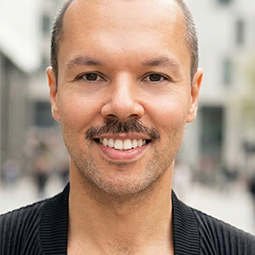
Joshua Kunst-Picauly, senior VP of format strategy and operations at ITV Studios, ventures into a Michelin-starred kitchen to reveal why reality-competition format The Heat should be on every buyer’s menu.
What is The Heat?
It’s a bold new reality-competition hybrid set in a real high-end restaurant in Barcelona, where a group of ambitious young chefs live, work and compete together under Michelin-starred culinary icon Jean-Christophe Novelli, who is searching for his Star Chef.
By day, it’s a serious culinary contest – real service, real diners, real consequences. Every lunch service ends with a debrief that reshuffles the kitchen hierarchy, with promotions, demotions and power plays. There are no neat weekly eliminations. Careers can accelerate overnight or collapse just as quickly.
By night, the whites come off and the drama spills over – romance, rivalry, ego clashes. In this format, where cooking meets dating, the professional becomes personal, and there’s no escaping The Heat.
There are a lot of cooking competitions. What makes this genuinely different?
The producers wanted to break away from the traditional ‘challenge-of-the-week’ cooking format. This isn’t a studio set, it’s a real restaurant. The chefs aren’t cooking for judges; they’re cooking for real guests at high-stakes services. If they mess up, the consequences are immediate and very public.
But what really sets the show apart is the lifestyle around it. These are young, ambitious chefs spending a summer living and working in Barcelona. For many of them it’s the dream – the chance to cook abroad, build a reputation and prove themselves in one of Europe’s most exciting food cities.
That aspirational backdrop creates a very different energy from traditional cooking competitions. They’re not just competing, they’re living together, socialising together and navigating friendships, rivalries and romances while trying to climb the kitchen ladder. It’s the perfect blend of reality meets competition.
How important is the setting?
Barcelona is part of the DNA. The Sea Garden residency, the marina, the rooftops – they give the show a glossy, aspirational feel.
But the key thing is that the setting isn’t cosmetic. The restaurant is real, the service is real, the stakes are real. Then, outside the kitchen, the city becomes their playground, and that’s where things get complicated.
That duality – precision and passion, service and after-dark – is what makes the format pop.
Why does the format travel?
Workplace hierarchy is universal; ambition is universal, ego is universal. The structure is incredibly clean: daily service, debrief, reshuffle, nightlife fallout.
That rhythm drives momentum and makes it highly returnable. You could also make two shows a day; with a larger cast, you could film a dinner service as well as the lunch time service. So it has the potential to shoot many more episodes per series.
You can localise the cast, the cuisine and the setting without losing the core engine. You could set it in Miami, Sydney, Cape Town, Istanbul – anywhere with a vibrant hospitality scene. Each territory can certainly make their version in their own country, rather than travelling abroad.
There’s a huge appetite right now for workplace reality shows set in aspirational worlds, whether that’s yachts, real estate, hospitality or luxury brands.
What’s the sales story so far?
We launched the format and the tape at the London TV Screenings 2026, where we showed the genuine double opportunity for buyers.
The UK series launched on ITV2 on February 24 and has now fully transmitted, so finished tape is available immediately. It’s glossy, high-energy and very bingeable, which makes it attractive for platforms looking for bold, youth-skewing reality.
Since our launch, the feedback has been phenomenal. Industry partners see The Heat as a fresh, aspirational take on the workplace reality genre. The ability to scale the cast and add shifts to meet high-volume content needs has been much appreciated. Furthermore, the built-in commercial opportunities – ranging from hotel chains, tourism boards to high-end kitchenware – makes this a standout, ready-to-move proposition in a crowded global market.
Where does it sit in your catalogue?
It’s a natural extension of ITV Studios’ premium unscripted slate. Twofour are known for combining strong format structure with compelling character storytelling, and this does exactly that. It’s a high-concept, globally adaptable IP that feels contemporary and culturally relevant.
It’s also very returnable and scalable. Once audiences understand the hierarchy and the rhythm, they lean in hard. That gives it real franchise potential.
What’s the ambition for the brand?
We believe this is the next evolution of the cooking competition. Food has become sexy again. Hospitality is pop culture, and audiences are obsessed with workplace reality where ambition and attraction collide.
Our ambition is to see The Heat travel widely and evolve – different cities, different culinary scenes, different dynamics – while keeping that core engine of daily jeopardy and emotional fallout. Because, ultimately, this show isn’t just about cooking. It’s about who can handle the pressure when everything starts to boil over.
If you like your cosy crime with a culinary twist and sun-soaked Italian landscapes, A Taste for Murder could be your next binge-worthy treat, says Kate Barnes, SVP of global content, scripted at ITV Studios.
Run time: 6 x 1 hour
Producers: Eagle Eye Drama, ITVS

What are the auspices for the show, including key talent, writers, directors and producers?
An incredible creative team has brought this vision to life. The series is produced by Eagle Eye Drama (Professor T and Hotel Portofino), part of ITV Studios, for BritBox. It’s created and written by Matt Baker, whose track record with returnable hits like Professor T and Patience is second to none. Joining him is director Jon Jones (Whitstable Pearl) and producer Megan Ott (House of the Dragon). The cast is equally stellar: we have Warren Brown (The Responder, Trigger Point, Ten Pound Poms) bringing a gritty, grounded performance as Joe Mottram, anchored by legendary BAFTA-winner Phyllis Logan (Downton Abbey) and the brilliant Cristiana Dell’Anna (Gomorrah).
Who do you see as the audience for the show?
This is a series built for an audience that craves high-stakes, character-led mysteries but wants them served with a side of sun-drenched, ‘blue-sky’ aspiration. It’s designed to capture the broad, loyal demographic that loves a returnable procedural, while the cinematic Italian backdrop and culinary focus give it a premium edge that resonates with global streaming audiences.
What shows out there in the market might it provide a companion or replacement for?
It’s the perfect companion for mystery crime dramas such as Ludwig, Marlow Murder Club and Vera. For broadcasters or platforms looking for that ‘sweet spot’ – where strong episodic crimes meet a warm, recurring family dynamic – A Taste for Murder is the ideal anchor. It offers that same comforting, returnable structure but elevates the genre with its unique trifecta of sumptuous food, breathtaking scenery, and crime intrigue.
Where would the show ideally sit across markets, channels and platforms?
Positioned at the intersection of broad appeal and premium storytelling, A Taste for Murder is a strategic acquisition for any platform – from free-to-air to Pay TV and VoD services – seeking to capture the crime-enthusiast market. The show is a flexible asset that works just as well for a primetime weekly slot as it does for a binge-worthy weekend stream.
What else is important to mention in terms of the show?
Beyond the mysteries, the show is a study of belonging. We see the power of family to give a sense of belonging, to offer love, and to heal. The compelling lead performances elevate the procedural beats into something much more intimate, specifically as we watch the family dynamic shift from initial distance to a deeper, close-knit bond. At the centre of it all is the heart of Joe’s grief; his journey from a shattered outsider to a vital piece of this Italian community is the emotional engine that will keep audiences invested amidst the compelling crime cases.
Cecilie Olsen, senior VP of global content, non-scripted, at ITV Studios, shares her thoughts on the state of the market and the impact of digital on the sector, and offers a glimpse of her London TV Screenings slate.
How is the international market for unscripted content changing in 2026?
Overall, it looks as if commissioners are back in the game of commissioning. Our crime offering, for example, is becoming increasingly premium in order to cut through the market, and spectacular access is now key. This is one of the reasons why Operation Dark Phone: Murder by Text, produced by The Garden for Channel 4, is such an incredible watch.
READ MORE
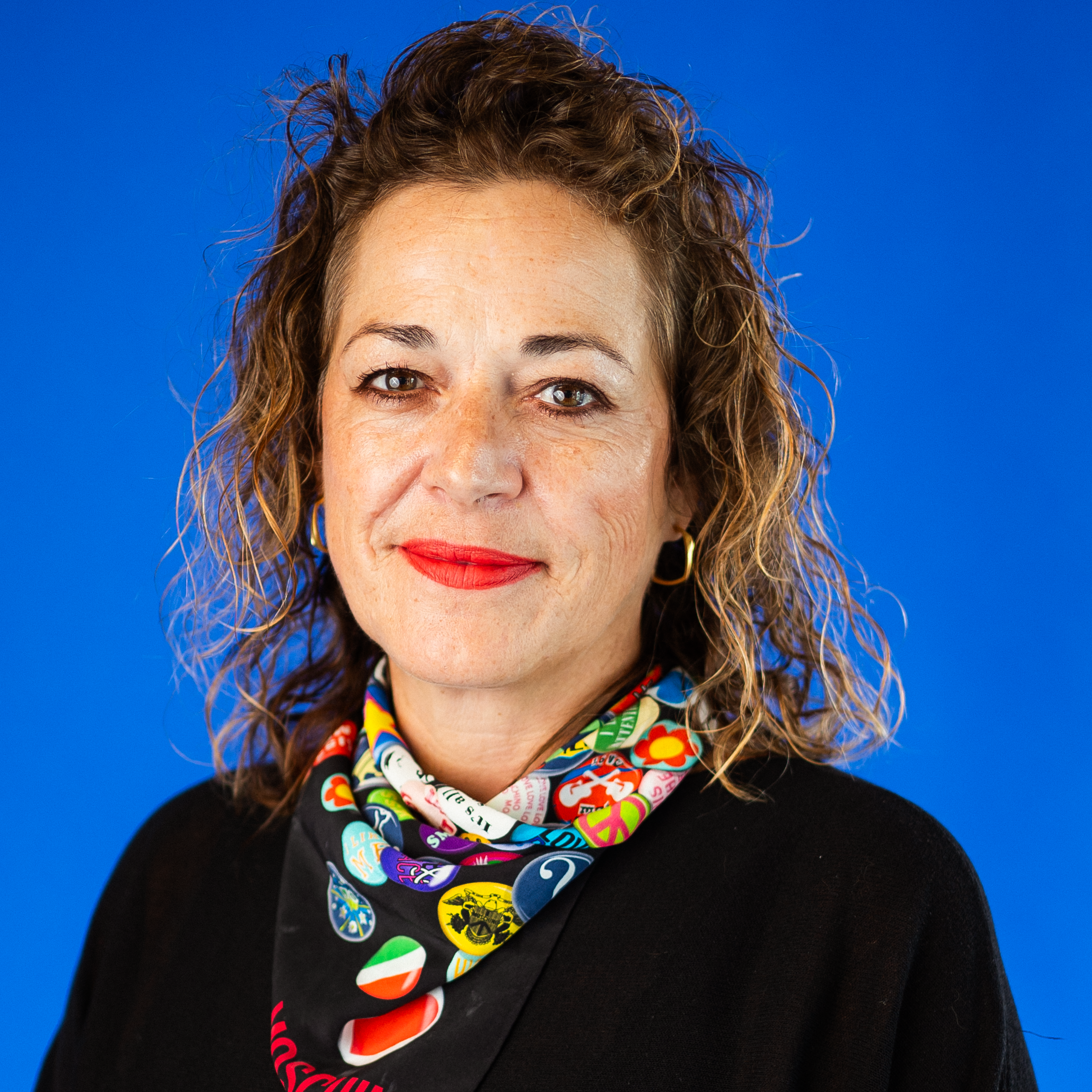
Merrily Ross, VP non-scripted global content at ITV Studios, on how The Postcard Bandit uses unprecedented access and wide-ranging testimonies to tell the story of Brenden Abbott.
Producer: ITV Studios
Runtime: 6×60’
What makes The Postcard Bandit unique?
The Postcard Bandit is built on access that has never been available before. Brenden Abbott speaks on camera for the first time, offering a direct account of his crimes, escapes and years on the run. That testimony is set alongside voices from police, victims, family members and eyewitnesses, creating a layered narrative that unfolds the story from every side. The result is a series that feels immediate, expansive and deeply grounded in lived experience.
What makes this the right moment to tell the definitive factual story of The Postcard Bandit?
Decades after the events, there is finally enough distance to tell the story in full. This is not about revisiting the spectacle of the manhunt but about understanding its long-term impact. Abbott is serving the longest prison sentence in Australian history where no murder has occurred, a fact that underlines the scale and complexity of the case. With time, perspective and unprecedented access, the series is able to examine what was happening beyond the headlines – and why the story still carries weight today.
What do you believe will resonate most with international audiences encountering this story for the first time?
International audiences will connect with the scale and momentum of the story but stay for its emotional core. The repeated escapes, the pursuit and the life lived in hiding give the series its drive, while the personal relationships – particularly between Abbott and his son – add depth and humanity. These are themes that transcend geography and make the story instantly relatable.
What shows out there in the market might it provide a companion or replacement for?
The series acts as a natural factual companion to the drama Run, which is inspired by the same events. Where the drama introduces the story through fiction, The Postcard Bandit delivers the real account, anchored in first-hand testimony and real-world outcomes, offering audiences a deeper, more complete understanding of what truly happened.
What do you hope viewers around the world take away from The Postcard Bandit?
Ultimately, we hope viewers come away with a more rounded understanding of the story. Beyond the notoriety and the escapes, this is about the ripple effects of one man’s choices, on victims, families and everyone drawn into the pursuit. It’s an invitation to look past the legend and reflect on the lasting human cost behind it.
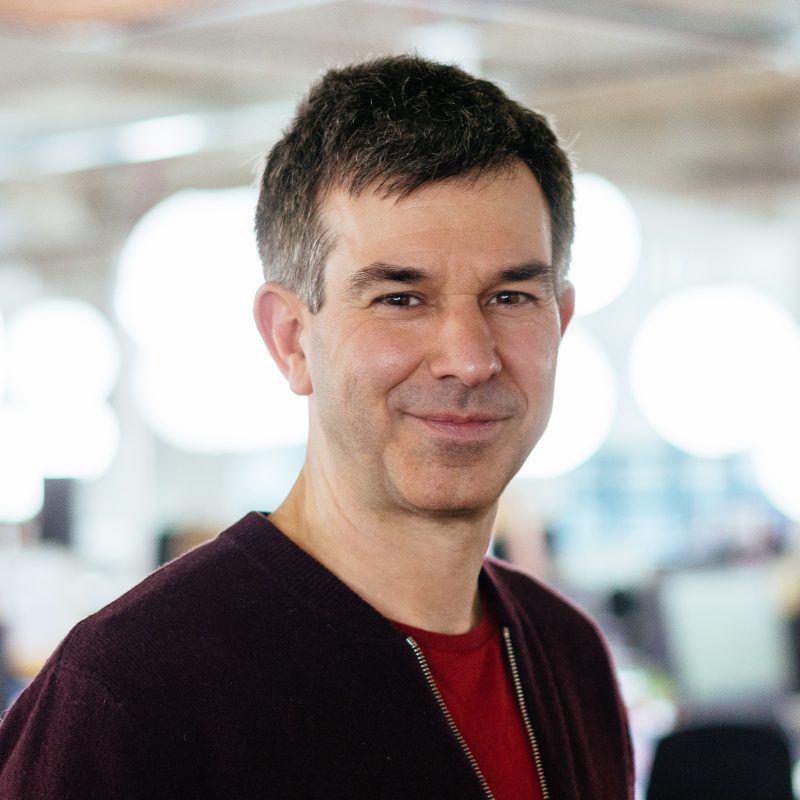
Dan Chambers, co-founder and creative director at Blink Films, explains how ground-breaking documentary Hitler’s DNA: Blueprint of a Dictator was made and why getting the balance between scientific depth and accessibility was so important.
Show: Hitler’s DNA: Blueprint of a Dictator
Run time: 2×60’
Producer: Blink Films for Channel 4 (UK) and History (US)
What first drew you to the idea of analysing Hitler’s DNA, and how did this extraordinary project come about?
About seven years ago, we realised that genetics was at a level where it was possible to reveal a huge amount of information about someone from their genome. The question was who to apply it to. The obvious answer was the most evil, most enigmatic figure of the 20th century, Adolf Hitler. And so began the process of hunting for his DNA. We had lots of false starts. We thought we might be able to find his DNA from his dried saliva under a stamp that he licked. But that led nowhere. Then we heard about a swatch of blood-stained material that had been cut from the sofa where he shot himself. We traced it to a museum in Gettysburg and the owner said he was happy for us to take a sample from it. But would there be human DNA on it? And if yes, would it be possible to establish if it was Hitler’s?
This is the first time Hitler’s DNA has ever been sequenced. How did you verify that the sample was authentic and what did that process involve?
It was exciting to find a sample of DNA that could be Hitler’s, but the only way we’d know if was actually his was by finding a relative. And that’s easier said than done. Hitler’s relatives must be the hardest people in the world to get to agree to give a cheek swab. Eventually, we found a Belgian journalist, Jean-Paul Mulders, who 10 years before had found a Hitler relative who had given a DNA sample for another test. Fortunately, there was some left which he had kept in a safe, and he was willing to let a lab use a sample. There was an exact match. For the first time in history, we had Adolf Hitler’s DNA. It was a ‘pinch me’ moment. Brilliant geneticist Professor Turi King joined the project, re-did all the tests to an even higher standard of evidence and confirmed that the initial result was correct.
When the first results came through, revealing such unexpected traits, what was your immediate reaction as a storyteller and producer?
Turi King approached various labs requesting them to produce a full genome from the verified sample. But time and again, they turned us down, saying that they didn’t want any association with Adolf Hitler. Eventually, she found a not-for-profit lab in Utah that was willing to do the work. That was a good day.
The evidence suggesting Kallmann syndrome is compelling. How did you balance scientific integrity with the demands of television storytelling?
We were led by the science. The question was what is Kallmann syndrome? How does it affect someone at puberty? What are the physical consequences? And what psychological impact would it have had on Adolf Hitler? We were keen to understand how it might have shaped his outlook on the world. Professor Brett Kahr of the Tavistock clinic was able to give an insight that went beyond the prosaic, positing that it would likely have resulted in a sense of humiliation, but also “murderous rage.”
The series tackles sensitive territory, from mental health to genetics and morality. How did you strike the right editorial balance?
It’s important to always be as accurate as possible and not overstate the findings. The most controversial findings were those of the polygenic scores. These indicate a combination of genetic variants that are associated with predispositions to particular conditions. They revealed that Hitler was in the top 1% for each of autism, schizophrenia and bipolar. We were at pains to be clear that none of these results is diagnostic, that environmental factors play a huge role in shaping an individual, and that no one with any of these conditions should read anything negative into them. Psychiatrist Dr Michael Fitzpatrick points out that most people with autism are “excessively moral.”
You worked with world-leading experts including Professor King and Sir Simon Baron-Cohen. How did they become involved in the project, and what convinced them to take part?
As soon as we found a match, we asked Professor King to join the team. It was wonderful working with a scientist of her calibre, and with such great infectious energy. She confirmed the results and steered the research, ensuring the world’s leading geneticists were involved in all the key areas of specialism. And once it was established that Hitler was in the top 1% for the polygenic risk score for autism, we approached world authority on autism Professor Simon Baron-Cohen from Trinity College, Cambridge. He was intrigued by the findings but stressed the role of environmental factors and the importance of avoiding any kind of genetic reductionism.
How do you think the series will resonate with international viewers?
The story has already sparked huge global interest, reflecting ongoing fascination with Hitler’s psychology and legacy. Perhaps the appeal of Hitler’s DNA: Blueprint of a Dictator is that while so many previous films on Hitler go over the same old things, this series offers lots of new insights. And by bringing together scientists and historians, the new discoveries are thoughtfully assessed and put in context.
From a production and storytelling perspective, what were the biggest challenges in making this film?
Balancing scientific depth with accessibility was crucial. The findings are groundbreaking but often complex, covering genetics, physical medicine and psychiatry. We worked closely with experts to ensure accuracy without sensationalism, trying our best to present sensitive material responsibly.
Finally, what do you hope viewers around the world take away from Hitler’s DNA: Blueprint of a Dictator?
We hope people come away with new insights into both Hitler and the science behind the discoveries. It’s a chance to look at history through a different lens, using genetics to explore aspects of his life and behaviour that have long been debated, and more broadly, it shows a new way of doing profiles on figures from history.
Show: RUN
Runtime: 6×60’
Producer: Warner Bros Australia
Directors Ben Young and Bonnie Moir explain what makes their adrenaline-fuelled series Run stand out from other true crime dramas.
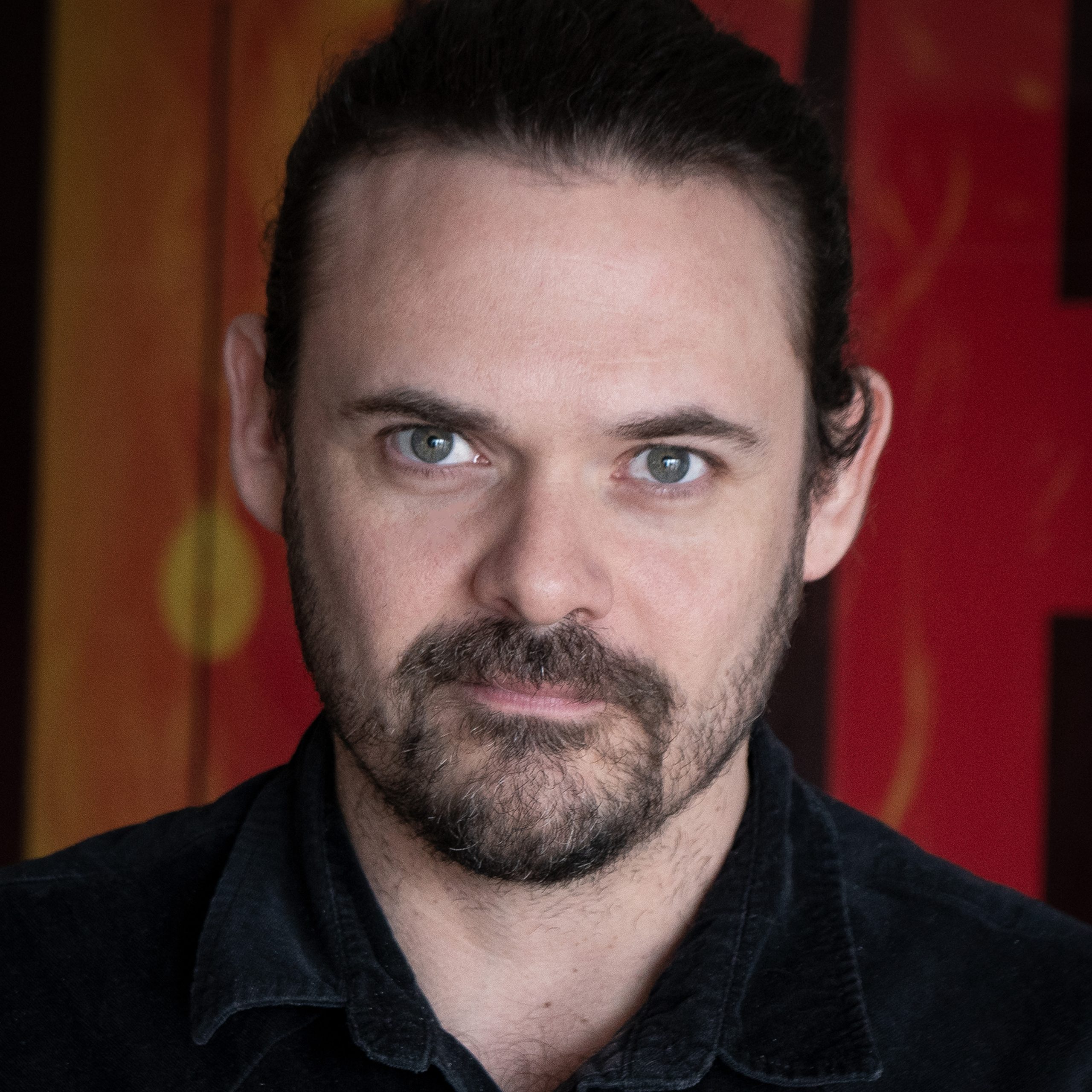
What do you see as the audience for the show?
Young: Although the premise might initially attract a male audience, our intention was always broader. We approached the story from the inside out, building characters whose lives, relationships and contradictions make the world feel human rather than procedural.
The show still delivers the kinetic energy of a crime thriller, but it’s ultimately about people trying to make sense of their choices. We hope that emotional core invites in viewers who don’t usually gravitate toward true crime.
What is your ambition for the show?
Young: Our ambition has always been to make a crime story that feels intimate as well as propulsive, something that moves with the tension of a manhunt but still pauses to explore the private worlds of the people caught up in it.
We’ve tried to create characters who feel specific to the time and place, yet relatable enough that audiences anywhere can recognise themselves in their struggles. If we’ve done that well, I believe the show can speak to a global audience. And if people connect with these characters as strongly as we have, I’d love the opportunity to continue their story in future seasons.
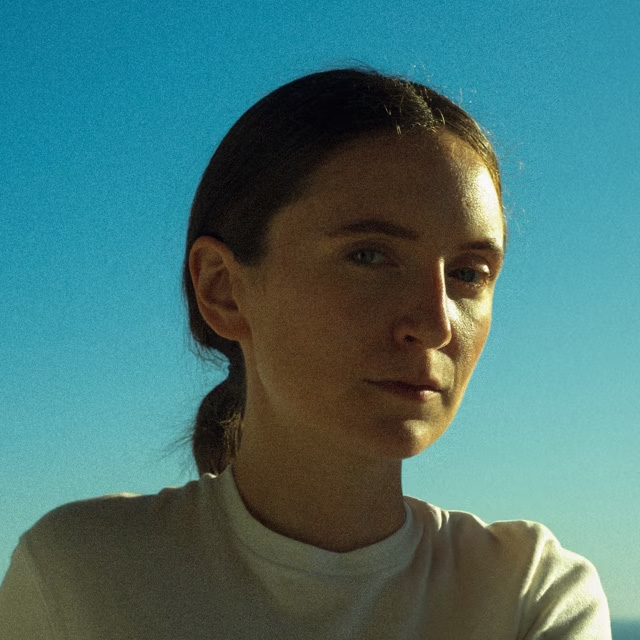
What makes Run unique?
Moir: Run is a high-voltage, six-part series that tears into the true story of notorious bank robber Brenden Abbott with ferocity and fun, propelled by a relentless pace that never lets up.
The series presents a razor-sharp ensemble cast, faces that feel genuinely fresh on our screens. For myself and fellow director Ben Young, along with producer Hamish Lewis, it was an incredible opportunity to collaborate with a group so fearless. This cast didn’t just show up, they poured themselves into every scene, elevating the story with a level of dedication that can be felt throughout.
Run could have easily fallen into the usual crime retelling tropes but instead, tonally, it’s a gut-punch of adrenaline, fun and full of heart. I hope that this delicate tonal balance will not only move audiences but also have them yelling at their TVs.
What shows out there in the market might it provide a companion or replacement for?
Moir: We wanted Run to be a cinematic television experience. We drew inspiration from much celebrated films like Aussie classic Two Hands or a little further from home films like Hell or High Water and The Place Beyond the Pines – films that were able to carry the balance of tension, humour and heart.
What else is important to mention in terms of the show?
Run was shot in three blocks of two episodes. Given the linear nature of the series, we set out to make each block feel like their own mini arc – and in doing so, threw out the need for consistency in tone, pacing and energy. We played with the colour palette, the music choices and the coverage from block to block in the hope that the audience could feel like they were on a journey that kept moving along in a different space as our characters progressed.
Executive producer Karina Holden on how Ages of Ice stands out by striking a balance between science and storytelling.
Show: Ages of Ice
Run time: 3×60’
Producers: Northern Pictures for PBS and ABC in Australia
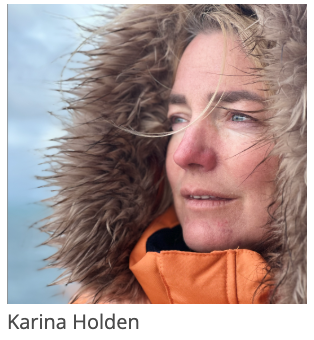 What sets Ages of Ice apart from other scientific docuseries?
Filmed over three years across 10 countries and both poles, Ages of Ice blends cinematic adventure with groundbreaking science. Featuring genuine world-first discoveries – from methane escaping Greenland’s ice to the fracturing of the A23 megaberg – it captures exploration as it happens. Told through the lived experience of scientists, the series transforms climate research into a story of endurance, ingenuity and awe, revealing the beauty and fragility of a planet on the edge of change.
How many different locations was it filmed in?
It was filmed across an extraordinary range of locations, in Antarctica, Greenland, Iceland, Svalbard and Nunavut in Canada. To understand how ice interacts with mountains and climate systems, they also filmed in New Zealand, Germany and Austria. And, of course, some of the most important chapters of the story unfolded far from land, with weeks spent at sea in both the Arctic Ocean and the Southern Ocean. Each location adds a vital piece to the puzzle, together building a truly global portrait of our planet’s frozen frontiers.
Why is now the moment for this series?
The polar regions are changing faster than anywhere else on Earth – their transformation no longer a distant warning but a present reality shaping our weather, oceans and future. Record-breaking heat, collapsing sea ice and rising seas are redrawing the planet’s boundaries in real time. Ages of Ice arrives at a tipping point, when the need to understand and act has never been greater. By turning raw climate data into human experience and discovery, the series connects global audiences to what’s unfolding at the ends of the Earth – and why it matters now, more than ever.
How does the series strike the balance between science and storytelling?
Science drives the story but emotion gives it meaning. Every expedition, discovery and data point is told through the human experience of those living it, with scientists pushing their limits in some of the most extreme environments on Earth. By weaving rigorous research with cinematic storytelling, the series transforms complex science into a visceral journey of curiosity and courage. The result is not just information but connection, inviting audiences to feel the wonder, urgency and hope at the heart of discovery.
What access has been secured that no other series has captured before?
The crew joined the British Antarctic Survey’s research vessel the RRS Sir David Attenborough at sea for eight weeks, embedded with scientists as they studied the Southern Ocean in real time. The team also gained rare permission to film a daring airborne research mission by NASA, operating from the US Space Base Pituffik in northwest Greenland, where cutting-edge aircraft mapped the sea ice. These exclusive collaborations, along with other scientific firsts across the polar regions, opened windows into environments and experiments never before captured on camera, revealing the frontiers of climate science as they unfolded at the ends of the Earth.
How would you sum up the series in three words?
Epic polar science!
A normal man, played by Andrew Lincoln, in a normal marriage finds himself in a terrifying situation when he falls under the influence of a dangerous neighbour.
Coldwater stars Eve Myles and Indira Valma reveal what attracted them to the ITV thriller series, in which a London couple try to run away from their problems by moving to Scotland – but get into even worse trouble thanks to a manipulative neighbour.
Producer: Sister for ITV
Episodes: 6×60’
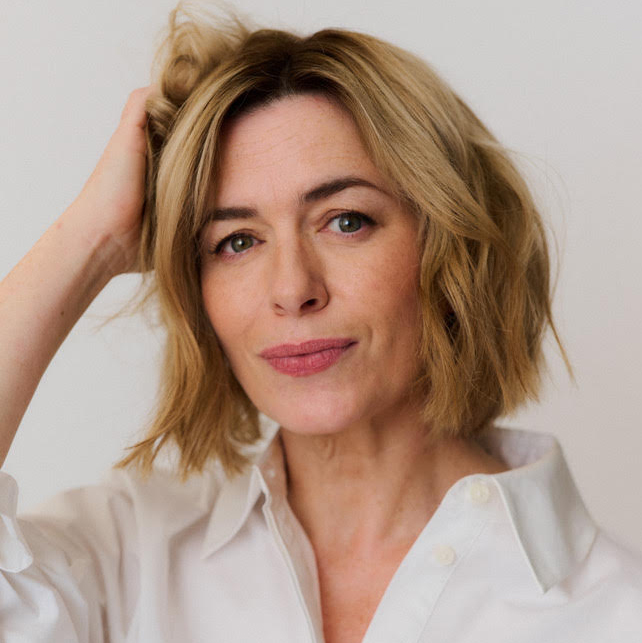
What was your initial reaction when you read the scripts? And why was this a project that you wanted to be a part of?
Eve Myles: When I read the scripts, my initial reaction was, wow, I can’t believe this is going on ITV. And that thrilled me. I found it unapologetic, I found it exciting, I found it thrilling, I found it daring. And I felt that if that was my initial instinct to these scripts, I hope that every person that watches it will feel the need and the addiction to come back for more.
You have a great ensemble cast. What’s it been like working with your castmates on this project?
Myles: Working with my castmates has been a joy. I’ve worked with Indira Varma a few times and when I heard Indira was involved in this, I couldn’t say no to this job. It was so exciting to be back with her.
Andrew Lincoln is without doubt the best leading man I have ever worked with. His generosity, his kindness, his knowledge and his talent is ridiculous. And quite frankly, it shouldn’t be allowed. He’s a joy. And I’m so pleased that he’s playing John in this series. He’s leading from the front. He’s got energy that, my goodness, if we could just put into a jar and sell, we’d be millionaires!
Every choice Ewen [Bremner, who plays Tommy] makes is considered and perfect. And we have so many beautiful scenes and so much between their characters relies on the subtext in those scenes, the intimacy amongst this beautiful love story. You can only be as good as the person opposite you, and I’m opposite the best.
Why do you think audiences will enjoy this series?
Myles: I hope audiences will enjoy our new series because it’s going to offer something very new, something thrilling, something unhinged, something exciting, and I hope it offers up something addictive that you’ll want to come back for more and more and more.
Can you give me a brief overview of what the series is about?
Indira Varma: This series starts off with John [Lincoln] and Fiona [Varma] essentially running away from their lives and not really dealing with their problems head-on, avoiding. We do that in life, avoiding problems by essentially running away. They run away from London and move to a small town outside Glasgow. But in Coldwater, they meet more problems, as is what often happens in life. But the problems they meet, Tommy and Rebecca [Myles], are even worse than the problems they had back at home.
Can you introduce us to Fiona. Who is she and how has she found herself in Coldwater?
Varma: Fiona is married to John. And at the moment she’s in a long-suffering marriage. He’s being a bit of a child, and she has essentially moved because John wanted to move out of London. Their relationship at that moment is not in a great place, but ultimately, they adore each other.
And so even though they sort of hate each other, they really want to make it work. And they’re trying to find each other. That’s why I love this series, because it’s a celebration of long-term relationships – the rough with the smooth.
What was your first reaction when you read David Ireland’s script?
Varma: The first time I read David Ireland’s script, Andy had forewarned me that he was going to ask them to send it to me. I was so excited because I just love the dialogue. And he’s a playwright. I love theatre, and why do I love theatre? Because the scripts are always better. Because it’s not just about the visual, it’s about relationships. It’s about great dialogue, the way he observes human behaviour so brilliantly.
Why do you think audiences will enjoy this series? What do you think will shock them the most when they watch?
Varma: I hope they’ll enjoy the series for the reasons that I enjoy the series: it’s bizarre, it’s weird, it’s absurd. I think it’s original. It’s full of heart and striving for betterness in relationships, in friendships, in life, and it’s got intrigue and madness in there as well.
BAFTA winner Suranne Jones and RTS Television Award winner Jodie Whittaker star as two daring female grifters who rekindle a toxic but addictive friendship to pull off the art heist of the century in Frauds, Monumental Television’s latest ITV hit.
Producer: Monumental Television for ITV
Duration: 6 x 60 mins
Can you summarise Frauds for us?
Suranne Jones, co-creator, executive producer and lead: Frauds is essentially a heist show that centres on toxic female friendship. It is an emotional heist as well as a physical heist featuring a bunch of outlaws who are all running from something. Together they’re trying to pull off stealing a painting from the Reina Sofia gallery.
What was the origin of the idea?
Jone: Co-creator Anne-Marie O’Connor and I managed to pull off Maryland, which was a three-parter. It was a very quiet show. It was old-fashioned. We felt like we’d watched a lot of big shows and we wanted to do something that was back to the telly that we used to watch. For Frauds we just wanted to challenge ourselves to do the opposite. We knew we needed it to be along the same lines, keeping with the discussion of what it is to be a woman. We’ve done siblings and now we needed female relationships to be part of our theme. Maybe we’ll go on to make something else and do a trilogy of them. Who knows? A heist is something that’s typically male. To sell something in this day and age, we knew we needed to do something that subverts expectations. And so we decided that to use something typically male as a backdrop but put it in a female narrative would be the way to go and that’s how it was born.
What was it like working with Jodie Whittaker for the first time?
Jones: I’m totally in love with Jodie Whitaker. I mean, I knew her from up the road, having coffees and whatever. But oh my god, I mean, she’s so funny. She’s hilariously funny. Kind, loyal. So generous to a fault. I could cry that I met her – properly – on this. We just clung together and I loved it. Absolutely loved it. I guess we thought we’d get on and we thought it would be great. And then, when you get the rushes back, and as a producer I would see them coming in, I could see that we were bouncing off each other. You don’t always get that.
And what do you hope the audience will take out of Frauds?
I think on a basic level, if you have fun watching it, that’s great. It’s made on a double level as in it’s a fun show and it shouldn’t be taken too seriously because the characters don’t take themselves too seriously. On a level of me and Anne-Marie [O’Connor] being creatives and wanting to tell female stories, telling the story of a toxic female friendship in all its complexities was really important to us. We had to make it fun and big as well and have those elements, but the main thing is we hope people will understand why we felt it was important to tell that story and show that relationship.
How did you create Frauds?
Anne-Marie O’Connor, writer and co-creator: Suranne [Jones] and I had worked on Maryland together and it was the first day of filming, on a cold Dublin day, where we were talking about what we’d like to do next. We wanted to do something fun and in a different genre but still female-led, and Suranne was saying, ‘Oh, I really like Dirty Rotten Scoundrels.’ We were just talking about things that we liked and I remember saying that whatever it was about it should be called Frauds. Then after that we just started discussing what it was going to be about really.
The thing that we kept coming back to – because we’ve worked together quite a lot now, so we know each other well – was that female friendships are intense, lifelong, important, all those things, but there can be a toxicity to female friendship that I don’t think you necessarily get in male friendships. As we talked around it, that was the idea that we started wanting to put at the middle of this – one about that friend that you can’t get rid of, the one you can’t shake off, who’s a nightmare, who’s got their claws in at some point and the screw just gets turned. What would that look like if you gave it a genre element?
How did that idea come to the screen?
Maryland was a success for ITV and head of drama Polly Hill was really keen to do something else, so she was very quick to commission this. We had been working with Monumental, we’d developed it thoroughly, the script was written; we knew the show before ITV commissioned it. So by the time that ITV said yes to it we knew the world and we knew where we wanted to take these characters. So I’d say it probably took maybe a year from having the idea to getting the commission. The whole thing in TV terms has been pretty quick because it will be roughly three years from us having the idea to it airing.
Why did you set it in southern Spain?
I’ve spent quite a bit of time in southern Spain. My brother used to live there and I love the sort of spaghetti western feel you get down there: there’s a real otherness to it, a dry heat and that kind of outlaw feel you get in places like Las Vegas. Even in famous places like Marbella where you turn up and everything’s catered for, you just need to scratch the surface and it can be lawless. It just felt like a really good place for a load of cons to be hanging out. It’s a part of the world that we think we know as British people… but we also don’t know it.
From blue-chip natural history in Secret Garden to the high-stakes investigations of Operation Dark Phone and Vice’s bold docu-style catalogue, ITV Studios’ senior VP of global content, non-scripted, Cecilie Olsen is underlining the sheer breadth of the content portfolio for her annual trip to Mipcom.
What is the core premise of the Secret Garden series?
The series takes viewers behind the gates of Britain’s most enchanting and little-known gardens. Filmed across five individual gardens over 18 months, each garden is in a different part of Britain and represents five very different habitats. Across the series Plimsoll Productions uncovers hidden horticultural treasures, personal animal stories and the artistry behind these private spaces. It’s a celebration of beauty, heritage and the passion of the people who care for wildlife in their own gardens.
READ MORE
Crime is certainly paying for ITV Studios, with Kate Barnes, senior VP of scripted content, outlining how the genre is evolving, the impact of the streamers and what the company has in store for Mipcom.
How do you explain the enduring popularity of crime dramas on TV?
Crime drama has a universal appeal because it taps into something very human: our fascination with secrets, lies, justice and the darker side of ordinary life. At its best, the genre delivers high-stakes storytelling and suspense while also exploring character, morality, and society in ways that resonate across cultures. Audiences know they’ll be taken on a compelling journey.
READ MORE
Mike Beale, creative network MD at ITV Studios, on what makes the raw emotion and environmental message of SHARK! Celebrity Infested Waters such compelling viewing.
Producer:
Plimsoll Productions
Distributor:
ITV Studios
Running length/episodes:
5 x 60′ (format flexible and scalable)
What makes it unique?
This format blends thrilling, high stakes celebrity survival with natural history storytelling in a way we’ve never seen before. It’s genre-defying: part adventure reality, part environmental mission, and 100% compelling. Each episode builds to a genuine shark encounter, but the power lies in the emotional transformation that unfolds along the way. It’s bold, immersive and purposeful entertainment that is scalable and deeply human.
Set in the Bahamas, home to one of the densest shark populations on the planet, the format is filmed in an environment that’s as beautiful as it is unpredictable. Celebrities take on escalating underwater encounters with species like the Great Hammerhead Shark, Bull Shark, and Tiger Shark, paired with adrenaline-fuelled physical challenges and conservation work. It’s edge-of-your-seat television with something to say.
What are the auspices for the format, including key talent, creators, producers and partners?
The format was created by Plimsoll Productions, a world leader in factual entertainment and natural history with an award-winning slate across global platforms including Netflix, Apple TV+, and Nat Geo. Their ability to combine cinematic wildlife content with broad, returnable formats makes them the perfect creator for this series.
In the UK version, shark experts guide the experience, a format defining element that can be easily localised for any market. These expert roles are designed to replace traditional hosts, adding both authenticity and adaptability. With ITV Studios distributing globally, the format is backed by a production and creative infrastructure capable of scaling it worldwide. Plimsoll can also offer a central production hub, supported by their underwater expertise, facilities access, and archive footage, giving buyers a bespoke, cost-effective way to replicate or adapt the format in various ways. Filming can take place in the Bahamas or be adapted locally with appropriate partners.
Who do you see as the audience for the show?
It has mass appeal. The format speaks to 16-34s through its adrenaline-fuelled challenges but also connects with broader family audiences through its real emotional stakes, celebrity relatability, and universal themes of fear and personal growth. It works across platforms and is built to hold attention.
What is your ambition for the show?
This is a global franchise in the making. It’s already generating strong interest from a number of key territories, with deals currently in discussion. Our goal is to establish this as a returnable, locally adaptable format that can headline schedules and drive impact, from peaktime entertainment slates to seasonal or environmental campaigns. With potential for civilian versions, spin offs and long-running series, it’s a flexible and scalable proposition.
Where would the show ideally sit across markets, channels and platforms?
This is premium, flexible event TV, designed to grab attention, drive conversation and deliver must-watch moments. It can thrive on commercial broadcasters, become a tentpole unscripted title for global streamers, or sit at the heart of purpose-led programming for public service broadcasters. Its adaptability means it can work in many ways, but always stands out.
What else is important to mention in terms of the format?
The casting in the UK version has already shown the strength of the concept, attracting high-profile names who aren’t typical reality contestants, but who were drawn to the challenge and to being part of something meaningful. Participants included Helen George, Lucy Punch, Sir Lenny Henry, Ross Noble, Rachel Riley, Ade Adepitan and Dougie Poynter, many of whom joined not only to face their fears, but to shine a light on ocean conservation.
The format offers celebrities a truly unique experience, a blend of personal challenge, once-in-a-lifetime adventure, and the opportunity to support a global cause. That’s a powerful combination that appeals to talent across markets, especially as viewers increasingly value authenticity and social impact.
What is your rollout strategy for the format?
We launched SHARK! Celebrity Infested Waters to market in February 2024, intentionally aligning with the 50th anniversary of Jaws, a timely and playful way to make a splash at the London TV Screenings. While not central to the format’s proposition, it offered an optional marketing hook for buyers.
We began by teasing early footage to convey the tone and scale of the show, and we’re now sharing completed episodes so buyers can fully appreciate how the format plays out on screen.
The modular episode structure makes localisation easy, and multiple production models are available, from full location versions in the Bahamas using Plimsoll’s hub services, to more regionally adapted versions. We’re in active discussions with a number of key territories and expect to confirm deal news shortly.
What’s next?
At ITV Studios, we see huge potential in blending premium entertainment formats with the natural world and SHARK! Celebrity Infested Waters is just the beginning. We’re actively exploring how this format model can extend to other misunderstood or feared species, building a broader reality franchise that continues to deliver action, emotion and impact. From jungle predators to extreme environments, we’re looking at bold, scalable concepts that marry fear-facing transformation with environmental purpose, and we’re looking for partners who want to lead that charge.
Plimsoll Productions’ series producer Seb Illis on what sets Force of Nature apart from other natural history docs and the impact he hopes the show will have on the wider public.
Show: Force of Nature
Run time: 6 x 60
Producers: Plimsoll Productions for ITV (UK) and for ARD Group (De)

What sets Force of Nature apart?
Shot over three years, Force of Nature flips the lens: we’re not just watching the storms from afar, we’re right in the centre of them – experiencing them through the eyes of the animals battling the elements. Across six cinematic episodes, we follow a cast of unforgettable animal heroes as they dodge firestorms, outsmart floods, and face off against some of the hottest weather in recorded history. It’s survival, heart and high drama on a truly global scale. The series offers a timely reminder of how urgent it is to protect our ocean world – and the incredible life that depends on it.
Why is now the moment for this series?
The stakes have never been higher – and the world is both witnessing and feeling the impact. Extreme weather, fuelled by climate change, is dominating headlines across the globe. From record-breaking heatwaves to catastrophic floods and wildfires, it’s clear: this is no longer a distant threat, but a lived reality. This series meets the moment, exploring how these events are reshaping the natural world and the lives of animals caught in the chaos. Through powerful storytelling and stunning visuals, we reveal nature’s inspiring resilience and surprising adaptations. Timely, relevant, and deeply relatable.
How do you strike the balance between science and storytelling?
It’s storytelling first, science stitched in. Every episode is driven by character and jeopardy – with animals you root for and twists you don’t see coming. But beneath the drama, there’s real science at play: cutting-edge discoveries, new animal behaviours, and climate insight delivered in a way that feels totally effortless. It informs, it inspires, and it never slows the pace.
Is it just about extremes – or will it strike a chord too?
You’ll laugh, you’ll gasp, you might even cry. There’s a storm of emotion in every episode but the tone is very much hopeful! From lion coalitions hunting through intense dust storms, cheetahs using howling rain as cover to stalk prey and a sea otter mum risking it all in a tempest, every moment is alive with high stakes and drama. Force of Nature is as heartfelt as it is epic. A rollercoaster of resilience and wonder.
What animals can we expect to see?
From the heart of the rainforest to the frozen edge of the Arctic, the series is packed with a cast of unforgettable animal heroes. You’ll meet storm-stalking cheetahs in East Africa, wildfire-surviving wombats in Australia, polar bears adapting to a lack of sea ice and snow leopards making daring mountain hunts. Plus, watch tiny clownfish fight to save their coral home, and anole lizards evolve before our very eyes to hold on and survive in hurricane-force winds. These aren’t just animals – they’re the front-line survivors of a planet in flux.
How would you sum up the series in one line?
It’s a must watch.
Executive Producer Liza Marshall, MD at producer Hera Pictures, introduces this memoir-based story of a young trans person that doubles as a celebration of Y2K culture.
Name of the show: What It Feels Like For A Girl
Running length/eps: 8 x 60 mins
What It Feels Like For a Girl is a wild, anarchic, Y2K spin on a coming-of-age drama, based on the memoir of award-winning journalist and broadcaster Paris Lees.
What is the elevator pitch for the show?
What It Feels Like For a Girl is a wild, anarchic, Y2K spin on a coming-of-age drama, based on the memoir of award-winning journalist and broadcaster Paris Lees. It tells the story of a young person living on the margins of society. We follow them as they go on an incredible journey of self-discovery and self-destruction.
What initially attracted you to the project?
There was a lot of competition for the rights for Paris’s memoir, and for good reason. It has so much we’re on the hunt for in great drama – it’s thought-provoking and has richly drawn characters, a specific point of view and a real sense of joy, empathy and humour. It’s so hard for a book to be able to make you laugh then cry a few pages later, but the memoir does such a great job of creating that balance.
Paris’s book allowed us to connect with these characters on a deeply human level; to understand Byron as they go on an incredible journey that sees them escape their small town, completely lose themselves, before finding a sense of redemption and purpose. It’s made all the more vivid by the fact it is inspired by Paris’s own experience.
What makes it unique?
The series centres on a group of young working-class characters, and from the outset it was important to us that their world didn’t fall into the usual kitchen-sink tropes. We’re taking the audience back to the early 2000s – a time when the Spice Girls and Oasis dominated the charts – so it felt right that the aesthetic of the show reflected that spirit, for it to feel gobby and full of attitude.
Our directors, Brian Welsh, Ng Choon Ping and Marie Kristiansen, have each brought a rich and cinematic visual language that runs across the series. Every detail, from production design to hair, make-up and costume, has been crafted to evoke a very specific version of that era – one that feels elevated but still true to the world we’re portraying. Our composer, James Jacob (aka Jakwob), in his first soundtrack for TV after his award-winning score for How To Have Sex, has created a soundtrack that’s rooted in the clubby, euphoric energy of the time, which we hope gives the show a really distinctive tone.
We’re also proud to be telling a story that centres on a young trans person, especially in the current climate. Trans lives have come under intense scrutiny, and too often those stories are shaped by people outside of the community. With Paris at the helm, this project marks the first time a trans creator has been given the opportunity to tell her own story on such a prominent platform, and the BBC has been incredibly supportive in helping us tell it as boldly and authentically as possible. It’s an inside-in look at a particular world, filled with messiness, chaos, pain, joy and humour – much of it grounded in lived experience.
What do you see as the audience for the show?
We see the series as having broad appeal. At its heart, Paris’s story is a classic coming-of-age tale; a fish-out-of-water journey about someone escaping a claustrophobic small town and discovering their people. The themes it explores – heartbreak, first love, feeling like you don’t quite fit – are universal and deeply relatable.
Set in the early 2000s, the series is (terrifyingly) now a period piece. It’s a full-hearted celebration of Y2K culture, from the fashion to the soundtrack, and taps into the current obsession among Gen Z with all things early-aughts, while also offering a nostalgic hit for older millennials who lived through it the first time around.
But more than anything, this is a series for fans of authored, high-quality drama. The cast is led by a group of extraordinary emerging actors: Ellis Howard – who appears in every scene – delivering a performance full of depth, wit and vulnerability; and Hannah Jones and Laquarn Lewis in their first major roles. They sit alongside brilliant established names like Hannah Walters, Michael Socha and Laura Haddock. We’re incredibly proud of what the team have created, and we can’t wait for audiences to discover it.
Cecilie Olsen, ITV Studios Global Partnerships’ senior VP of global content, non-scripted, discusses the return of I Kissed a Boy and what makes the series standout from the dating show crowd.
Producer:
Twofour
Distributor:
ITV Studios
Running length/eps:
10 x 60′
What makes it unique?
I Kissed a Boy made history as the UK’s first-ever gay dating show, and series 2 builds on that bold foundation with even more confidence, joy, and authenticity. The twist remains immediate and powerful: the first time our boys meet, they kiss – no small talk, no apps, just chemistry. From that spark, the series unpacks everything that follows: flirtation, heartbreak, alliances, and discovery. It’s unfiltered, unapologetically queer, and full of heart. Unlike many dating formats, this isn’t about game-playing, it’s about connection.
What are the auspices for the show, including key talent, writers, directors and producers?
The show is produced by Emmy and BAFTA award-winning label Twofour, part of ITV Studios. Series 2 sees the return of host Dannii Minogue, whose warmth, star power, and genuine advocacy for the LGBTQ+ community have been pivotal to the show’s impact. Behind the scenes, it’s a team deeply experienced in reality and documentary-style storytelling, bringing crafted visuals, emotional storytelling, and inclusive representation together on screen.
What do you see as the audience for the show?
While the core demographic is 16–34s with a strong skew toward LGBTQ+ and ally viewers, I Kissed a Boy has also resonated with broader audiences who are seeking an inclusive and emotionally intelligent take on dating and relationships. It’s reality dating with depth, perfect for streamers and broadcasters looking to engage audiences hungry for real, meaningful representation alongside fun and flirtation.
Do you have any deals in place with channels or platforms around the world?
Yes, I Kissed a Boy has already established itself as a truly global format, with finished tape sales secured in 13 territories. Series 1 has sold to platforms including Hulu (USA), Amazon Prime (Scandinavia), Foxtel and Network Ten (Australia), Bell Media (Canada), Globo (Brazil), TV 2 (Denmark), YES TV (Israel), Virgin Media (Ireland), and CLT-UFA (Netherlands). Building on that success, series 2 has already landed sales of the finished tape with key buyers.
The format’s momentum has expanded beyond tape: the first local adaptation of I Kissed a Boy is now officially underway, with production kicking off on the Norwegian version. Meanwhile, the spin-off I Kissed a Girl launched successfully in the UK in 2024, and its first international version premiered in the Netherlands last month, where it has consistently ranked in the top 10 most-watched shows on Videoland since launch. These early format adaptations mark a significant milestone in the brand’s evolution and underline the global appetite for inclusive, ground-breaking dating formats.
How does the show fit within your catalogue?
It sits at the intersection of bold, format-driven entertainment and socially conscious storytelling. I Kissed a Boy sits within our The Home of Love collection and complements our dating and relationship formats while bringing a fresh, inclusive voice to a genre often in need of evolution. It’s an exciting addition that reflects our commitment to pushing boundaries and platforming underrepresented stories.
What is your ambition for the format?
Our ambition for the I Kissed A … brand is to establish it as a truly global format. We’re not just selling a TV show; we’re building a franchise that celebrates LGBTQ+ relationships on a major scale. Our concrete target is to create 10 local versions, now that we’ve already secured three. We believe the format’s unique appeal and the positive impact of representation will create a ‘rainbow-ripple effect’, driving adoption globally.
Where would the show ideally sit across markets, channels and platforms?
It’s a versatile format that’s already proven its appeal across a range of platforms, commissioned and acquired by public service broadcasters, leading commercial networks, and global streamers alike. It’s perfect for platforms looking to diversify their unscripted catalogues or for youth-focused linear broadcasters aiming to modernise their dating offering. The series fits naturally into primetime or late-night schedules with a younger skew and has the potential to become a tentpole show during pride seasons, diversity-focused campaigns, or themed content months.
What else is important to mention in terms of the show?
This is not just a dating show, it’s a cultural moment. Series 1 opened doors; series 2 kicks them down. With its joyful, celebratory tone and proud message of inclusivity, I Kissed a Boy doesn’t just entertain, it matters. And for broadcasters looking to lead the conversation on representation, it’s the format to watch.
Partially deaf writer Catherine Moulton discusses her thriller Code of Silence, about a deaf catering worker (Rose Ayling-Ellis) who becomes involved in a case against a dangerous criminal gang after police ask her to use her lip-reading skills to examine surveillance footage.
Title: Code of Silence
Eps/Duration: 6×60’
Interviewee: Catherine Moulton, writer at ITV Studios
Logline:
When the police ask deaf catering worker Alison (Rose Ayling-Ellis) to lip-read criminals’ conversations, she is plunged into an exhilarating new world in this riveting original thriller.
What is the elevator pitch for the show?
Alison is a deaf woman working in a police station canteen. She’s called up to the detectives’ office and asked to lip read surveillance footage of a criminal gang. Alison’s lip-reading skills often go unnoticed and she’s determined to show just how good she is. She ignores the detectives’ warnings about the dangers of the gang and she makes contact with a gang member, Liam. She hopes she will learn more about the case from Liam, but she quickly finds she has a connection with him. That presents her with a dilemma. Where do her loyalties lie, with the police or with Liam?
What makes the show unique?
I’m partially deaf and I lip read. I also love crime stories and I wanted to combine the two to give a new spin to a familiar genre. I started from the character of Alison. She has to watch closely to know what’s going on around her and that suggested a surveillance show. As she moves further into the gang’s world we lean into the undercover genre too. The gang are planning a robbery, so there’s a heist element too. The story is told largely from Alison’s point of view, so I think that also gives it a unique feel.
Who are the key cast?
It was a dream to work with Rose Ayling-Ellis, who plays Alison. Rose was involved very early in the process, before I wrote the first script. Rose is very different to Alison, but some of Rose’s determination and her energy found a way into Alison’s character. The rest of the cast came later. Kieron Moore plays Liam. He’s sensitive and subversive. Always charming, but you’re not always sure you can trust him.
I was thrilled when Andrew Buchan and Charlotte Richie joined the cast to play DI James Marsh and DC Ashleigh Francis. They both brought so much to the show, particularly in terms of the detectives’ dilemma over how to use Alison. It’s Ashleigh who initially brings Alison onto the case, but it’s James who empowers her and encourages her to go further.
Ashleigh sees how much Alison craves recognition and she worries where that might lead. And, of course, Alison does end up going too far!
What are your ambitions for the show?
I hope it will entertain people. It’s a fast paced, emotional thriller with lots of twists and turns. But if people also come away with more of an understanding of how lip-reading works, or what it’s like to be deaf or hard of hearing, that would also make me very happy.
Ashley Cain visits six of the world’s most dangerous cities to delve into the pressures facing young men living on the fringes of society, where the moral boundaries are blurred.
Name of the show:
Ashley Cain: Into the Danger Zone
Interviewee:
Cecilie Olsen, senior VP of global content, non-scripted at ITV Studios Global Distribution
Short logline:
Exploring youth violence, gangs and survival in six dangerous cities, with Ashley Cain’s empathetic, fearless storytelling offering raw insight into the lives of marginalised young men.
What makes Ashley Cain Into the Danger Zone stand out as a documentary?
Ashley Cain has a remarkable ability to connect with young men from all walks of life, approaching each encounter with openness, zero judgement, and a relentless curiosity to truly understand their experiences, no matter how extreme or unexpected. His rare empathy and fearless approach make the series so compelling.
Where does Ashley visit?
This gripping series travels through six countries: France, the Philippines, South Africa, Sweden, Colombia and Brazil. From mercenaries in Marseille to gangs inside a Philippine prison and poachers in South Africa, each location reveals a different fight for survival. In Brazil’s favelas, crime often replaces opportunity. In Colombia’s jungles, illegal gold mining offers danger and a lifeline. In Sweden, gang warfare has turned city streets into battlegrounds.
What issues does the documentary tackle?
The series explores youth violence, crime, gang culture, poverty, illegal trades and survival in some of the world’s most dangerous cities. It delves into the mental, emotional and social pressures facing young men living on the fringes of society, where moral boundaries are blurred.
What can audiences expect from Ashley’s storytelling?
By placing himself inside the worlds of young men facing extreme challenges, he brings honesty and emotional depth and is driven to understand their story – not condemn them. Ashley leads the audience on a raw, unfiltered journey.
Julie Meldal-Johnsen, EVP of global content, ITV Studios, discusses Smilla’s Sense of Snow, a timely returnable thriller unafraid to tackle big issues.
Name of the show: Smilla’s Sense of Snow
Running length/eps: 6 x 60 mins

Logline: BAFTA winner Amma Asante (The Handmaid’s Tale) directs this epic mystery drama based on the bestselling novel by Peter Høeg. Set in a near future surveillance state, the multi-layered story centres on Smilla Jaspersen, a fascinating and unique heroine living in Copenhagen. Amid this futuristic world, dominated by a looming energy crisis, Smilla keeps herself to herself, until she meets a young Inuit boy who finds a way into her heart. When the boy dies in mysterious circumstances, Smilla is determined to understand why. As her search for answers takes her to the icy landscapes of Greenland and into the midst of dangerous political power plays, Smilla’s own extraordinary abilities will be key to unlocking the truth – about the boy and about her own identity. With its ambitious scale and premium cinematic style, Smilla’s Sense of Snow is a major new returnable event drama for a global audience, weaving highly relevant themes of climate change, politics and immigration into a powerful, one-of-a-kind story.
Director: Amma Asante (A Way of Life, Belle, The Handmaid’s Tale)
Producer: Constantin Film
Writer: Clive Bradley (Trapped, Waking the Dead)
Cast: Filippa Coster-Waldau (The Girl and the Dogs), Elyas M’barek (Paddington), Henry Lloyd-Hughes (Marriage, Mammals, Killing Eve)
Genres: Drama, Mystery, Crime
What makes Smilla stand out as a mystery drama?
Julie Meldal-Johnsen: Smilla is an elevated mystery drama that blends the high stakes of a classic whodunnit with the sweeping cinematic scope of a bold vision of the future. Set in a near-future surveillance state grappling with an escalating energy crisis, the series unfolds as a visually striking and thematically rich crime thriller.
What drives Smilla?
Smilla is a fiercely independent Greenlandic/Danish woman who refuses to accept the official explanation for the death of her six-year-old Inuit neighbour. Her relentless search for the truth uncovers a chilling conspiracy tied to untapped riches beneath Greenland’s ice, riches that only she can unlock.
What themes does the series tackle?
Under the direction of critically acclaimed filmmaker Amma Asante, the series delivers razor-sharp social and political commentary, addressing climate change, racial politics, and the rise of populism. These themes are made all the more urgent in a world where Trump has returned to power.
What can audiences expect from Smilla’s storytelling?
Smilla is a gripping conspiracy thriller layered with themes of identity, environmentalism, and justice. With bold storytelling and an intricate narrative, the series presents a future that feels unsettlingly close to our present, a chilling reminder of what’s at stake.
New Zealand drama After the Party is a six-parter from Lingo Pictures and Luminous Beast for TVNZ that has also aired on ABC in Australia and Channel 4 in the UK, generating plenty of online buzz and binge-viewing, says Lingo MD Helen Bowden.
Name of the show: After the Party
Running length/eps: 6×60’
Short Logline: Acclaimed drama from New Zealand about a woman who loses everything when she accuses her husband of an awful crime and nobody believes her.
C21: What is the elevator pitch for the show?
HB: I’ll be honest, Robyn Malcolm and Dianne Taylor, the creators of After the Party, were angry. They wanted to tell a story that explored the question ‘What does it mean not to be believed?’. It is something women are very familiar with. All our lives we witness women not being believed, we experience not being believed ourselves, particularly when what we say goes against things our family and community hold to be true or when we find ourselves less valued in the world. And yes, it makes us angry.
So they created a story of a couple, where one is beloved and charismatic, the other spiky and contrary. And then they threw a grenade into their relationship. They asked if it is harder to believe someone who is difficult. And when difficult people do difficult things, alienating those who love them, what happens when trust is lost? What happens when you stop trusting yourself? These knotty questions and ‘hot button’ issues snake through After the Party and seem to be keeping the audience hooked.
C21: What makes After the Party unique?
HB: From the moment I first read the pilot I responded to the astonishing voice in the writing. It was somehow both angry and funny. And although the premise is dark, the very real connections between the characters draw you in. In the scripts the bonds between the three generations of women, the female friends, the teachers and students, and the grandparent and toddler all feel so real that you invest deeply in them.
To reinforce that, the director Peter Salmon chose a very naturalistic style for After the Party. He wanted every element to be as naturalistic as we could make it – performance, camera, design, editing and music. It was a style that he and the cinematographer Dave Cameron had been honing over a few projects together and it was perfectly suited to this material. Ultimately, I think the total unity of the story and the style is what makes this show grab hold of the audience in the way that it has.
Also, Wellington… We moved the setting from Dunedin to Wellington for budgetary reasons but the little wooden houses, stacked on top of each other on the steep hills around Wellington Harbour seem almost metaphorical in the story. As does the weather that keeps blowing in from the Antarctic as Penny battles the wind on her bike. It was an incredible place to shoot and audiences are loving this part of the world that they haven’t seen before.
C21: What are the auspices for the show, including key talent, writers, directors and producers?
HB: I grew up in Aotearoa but have been producing drama in Australia for three decades. I love the landscape and the talent and had always wanted to make a show there. Robyn Malcolm had worked on Lingo’s Wake in Fright a few years earlier, so when she and Dianne were looking for a producer, they sent me the pilot and outline. Jason Stephens and I immediately knew we wanted to make it, especially given that Robyn would play the force of nature that is Penny. It just jumped off the page.
However, financing the series out of New Zealand was a huge challenge and it was only thanks to Jacinda Ardern’s Covid rescue package – the Premium Drama Fund – and ITV Studios coming on board, that we could make it work. We then put together a writing team led by Dianne Taylor and were very lucky to get one of New Zealand’s leading novelists, Emily Perkins, on the team along with the very talented script editor, Emily Anderton. I’d worked with Peter Salmon when I was at Matchbox Pictures and thought he would be a perfect fit as director. But when he also came on to produce it with me, we really had a team. Peter had worked a lot with Robyn over the years too and so they had a great relationship.
Robyn Malcolm, having met Peter Mullan on Top of the Lake, agreed to try and get him to come on board to play her ex-husband Phil. It was a hell of a squeeze as he only had a 22-day window from the Lord of the Rings shoot in the UK and he worked on 21 of them with us!
I really could not have been more delighted with the talent behind the camera in Aotearoa, the crews were amazingly astute, responsive and hardworking. And as for the talent in front of the camera, they were just astounding. The two young actors – Tara Canton who plays Grace and Ian Blackburn who plays Ollie – were both still at drama school and needed to get released from class to come to the set. But we were blown away by all the New Zealand cast, many of them living in Wellington.
C21: Who do you see as the audience for the show?
HB: After the Party is aimed very squarely at a female audience of 35+ who like complex stories that are rooted in real life. It’s by women, for women, if you like. And while women are definitely flocking to it, the multi-generational aspects of the story and the gripping narrative seem to have drawn in lots of people outside that demographic too.
It is not since I made The Slap that I’ve had such an intense reaction to a show. From the moment the first episode went out, people started furiously arguing with each other online about our characters’ actions. It’s been sparking the same passion in New Zealand, Australia and now in the UK. The data is in – once people start watching the show, they just can’t stop. The ABC says they have never seen such a fast completion rate for a series since the launch of iView. As a producer, it is an absolute thrill to have such heat around a story you’ve made.
Running length/eps: 4×60’
Synopsis logline:
From the creators of The Pembrokeshire Murders, Vigil and Line of Duty, this new miniseries tells the true story of Delia Balmer, a woman who survived horrifying violence at the hands of a man who should never have been free to commit his heinous crimes.
Until I Kill You (4×60’) is a new true crime drama starring Anna Maxwell Martin and Shaun Evans that tells the story from the point-of view of the victim, says executive producer Simon Heath, CEO and creative director of World Productions, the ITV Studios-owned prodco behind hits including Line of Duty and Bodyguard.
C21: What is the elevator pitch for the show?
SH: True crime tends to focus on the killer or the cops who catch the killer, and it’s rare we hear the story of the victim. In this story, Delia Balmer survived multiple attacks at the hands of a man [John Sweeney] who had already killed, she was then crucial in bringing him to justice for all his crimes. But another part of Delia’s story centres on how we expect our victims to conform to a specific type – submissive, grateful and ‘likeable’ – but why should that be the case?
Victims of violence are so often traumatised. Delia’s story illustrates how the judicial system lets victims down, both in the failure to take her initial complaints seriously, and her treatment during Sweeney’s first trial. Ultimately this felt like a unique, gripping story with important themes running through it. It’s a powerful, unique story about a woman who would be the traditional victim in a serial killer drama, who survives and fights back in a powerful and moving way.
C21: What are the auspices for the show, including key talent, writers, directors and producers?
SH: Nick Stevens is a writer I’ve collaborated with before on In Plain Sight and The Pembrokeshire Murders – both true stories. Nick is an excellent writer who approaches true stories in the right way – building relationships with the real people affected, conducting his own detailed research and writing the stories in a considered and sensitive way. So when he approached me with Delia’s story during the first lockdown of 2020, I was immediately keen. After reading her book, Nick had begun discussing with Delia how he might bring her story to the screen.
It really helped that we had worked with both Anna Maxwell Martin and Shaun Evans before, so we had a shared trust and rapport. We’d worked with Anna on Line of Duty and The Bletchley Circle, so I knew what a fantastic actress she is. You’re never sure how an actor will respond if you send them this kind of challenging material, so we waited until we had all four scripts before we shared them with Anna. It felt to us that she had the ability to depict all the facets of Delia’s character – the anger, the humour, the fight in her, and also the terror that she felt at the hands of Sweeney.
I knew playing Sweeney would be a challenge for any actor. We’d worked with Shaun on Vigil and knew he was a serious, thoughtful actor. We talked at length about how he would play Sweeney and how crucial it was that the audience understood what Delia saw in Sweeney. The audience has to believe the start of the relationship before it turns dark, the way domestic abuse often does. Shaun had to travel through all of that. He’s a great actor and we felt fortunate he came on board. Under Julia Ford’s brilliant direction, both Shaun and Anna have delivered pitch perfect performances.
Producer
ITV Studios Netherlands
Running Length/Episodes
Six episodes, 64 minutes each
Short Logline
Seven celebrity guests are invited to a glamorous party, but only six will make it out alive. As one guest is found murdered, the others must unravel the mystery and identify the killer among their own ranks.
Elevator Pitch
In each episode, seven celebrities are invited to a lavish party at a unique location. As the festivities begin, a shocking twist unfolds: one guest is found dead. The remaining celebrities must use their detective skills to uncover the killer’s identity before time runs out. With clues hidden throughout the party and extra clues available through challenges, the celebrities must race against the clock to solve the case. The winner will be crowned the ultimate detective and win A Party to Die For.
What Makes It Unique?
A Party to Die For is a captivating blend of reality TV and feature film, offering a unique viewing experience. The meticulously crafted sets and high-quality production values create an immersive atmosphere, while the ‘game’ elements allow viewers to play along and feel like they are part of the mystery. Each episode introduces a new location, cast of celebrities, and storyline, ensuring a fresh and exciting experience for audiences.
Auspices
Secrecy is paramount in A Party to Die For. The director’s focus is on maintaining a cinematic look and feel throughout the show, even during the ‘game’ elements. The production team plays a crucial role in creating hidden clues and disguising them within the various murder investigations and locations.
The host has an important role, he is the master of ceremony for each event (episode). He guides the celebrities through the event and murder investigation. Due to the feature film look and feel we chose a famous and respected Dutch actor for this part.
Target Audience
A Party to Die For appeals to a wide range of viewers, from families to fans of classic murder mysteries. The show’s accessibility and engaging format makes it enjoyable for all ages. Viewers can simply watch for entertainment or actively participate through the interactive WebApp, increasing their enjoyment and investment in the show.
Deals and Global Roll-Out
Following the successful launch of the pilot, A Party to Die For has generated significant international interest. We are actively negotiating with buyers in key markets, building upon the show’s strong performance. Our global roll-out strategy is focused on showcasing the show’s unique appeal and positioning it for success in various territories.
Catalogue Fit
A Party to Die For complements ITV Studios’ diverse catalogue, offering a fresh and exciting take on the reality TV genre. Its captivating whodunit format and high production values align perfectly with the company’s reputation for producing quality content.
Companion Shows
While A Party to Die For stands out on its own, it could potentially complement other celebrity-driven reality shows or mystery-based programmes.
Roll-Out Strategy
Our roll-out strategy involves leveraging the pilot’s success and implementing lessons from the full series. We are actively promoting the show at industry events like Mipcom 2024 to attract global interest.
Digital Components
The show features a dedicated WebApp that enhances the viewing experience. Viewers can use the app to play along with the murder investigation, collect clues, and submit their accusations. Interactive elements during commercial breaks further engage the audience and provide opportunities to win prizes.
Ambition
Our ambition is for A Party to Die For to become a global hit format, captivating audiences worldwide with its unique blend of entertainment and mystery.
Ideal Market Positioning
A Party to Die For is well-suited for primetime television, attracting large audiences on both linear and digital platforms. Its global appeal and adaptability to local preferences make it suitable for various markets.
Additional Highlights
The pilot was crowned the Best New Entertainment Launch in 2023 on SBS6. The full series achieved impressive viewership figures, surpassing slot and primetime averages.
With a new slate of content rolling out in 2023, Lisa Perrin of ITV Studios champions the merits of European drama.
Glossy big-budget Hollywood programming has long been devoured by viewers of commercial television in Europe, but factors including new licensing models, content quotas and the emergence of higher quality shows from local markets have levelled the playing field.
Accordingly, ITV Studios’ European production labels are taking advantage of the unprecedented demand for high-quality drama coming out of the region.
The company’s slate of new scripted projects from the continent are world class, claims Lisa Perrin, MD of international production at ITV Studios.
READ MORE