Honolulu Film Office + ʻOhina Labs

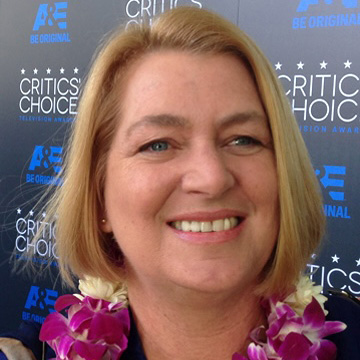
Walea Constantinau, film commissioner at the Honolulu Film Office, and Gerard Elmore, exec director of local filmmaker support initiative ‘Ohina, outline why international producers should shoot in Hawaii and how it also supports local filmmakers.
Why should international film and TV producers consider producing in Honolulu?
Walea Constantinau: We have some of the world’s most stunning locations that have been welcoming filmmakers since 1898 when the first film footage of the islands was captured by The Edison Company. Beyond that, we have world-class crews that have worked and trained on high-end television series and blockbuster feature films who also love to tell their own stories. These are often more modestly budgeted, so we have an amazing range of talented filmmakers who understand the breadth and depth of making large and small films. Additionally, we have the only purpose-built state-owned and managed studio facility in the US, the Hawaii Film Studio at Diamond Head, and generously applied tax incentives.
What financial incentives are available from Honolulu Film for international producers?
Walea Constantinau: The Hawaii Production Tax Credit (HPTC) is 22% on the island of O’ahu and 27% on the neighbouring islands. It has an extraordinarily high effective rate, meaning it had almost no exclusions. For example, for payroll, above-the-line, below-the-line, resident and non-resident crew qualify, including talent with no cap on the talent’s salary. Additionally, there are no minimum number of days required, just a minimum spend of US$100,000 and the proper registration and filings to participate. More details on the HPTC can be found here.
How are these incentives expected to change in the coming year?
Walea Constantinau: The industry, the state and the county film offices are all in discussion now for a January-June 2026 legislative session and are proposing several measures including: recommending an additional 5% uplift if local hiring minimums are met, an increase to the per-production cap which is currently set at a US$17m return (approximately an US$80m on-island spend) and potentially an increase in the overall US$50m industry cap which also has a roll over that allows us to accommodate productions if we exceed that annual cap. The final recommendations will be announced in January 2026.
What boxes need to be ticked for applicants to receive support from Honolulu Film?
Walea Constantinau: The Honolulu Film Office does not administer the tax credit, so our requirements are based on permitting needs. We require productions to carry a minimum of US$1m of general liability insurance and to name the City and County of Honolulu as an additionally insured. Outside of that, our services are free and we are happy to assist productions with connecting to location resources, guidance in working with the community and identifying potential locations. We work in concert with a production team’s producers, location managers, production designers and other crew members to make filming on O’ahu as easy as possible.
How do these incentives fit into the broader economic and cultural mission for Honolulu Film?
Walea Constantinau: Hawaii is a place, a culture that is deeply rooted in storytelling. The low ‘floor’ of the incentives, only a US$100,000 spending requirement, helps to support the smaller local filmmakers to tell their stories from their unique point of view. The Honolulu Film Office is dedicated to helping diversify the economy through the film, television and content creation industry, whether it’s amplifying and helping to elevate location filmmakers or welcoming attracted production from Hollywood and around the world.
How has the end of Peak TV impacted production levels in Honolulu?
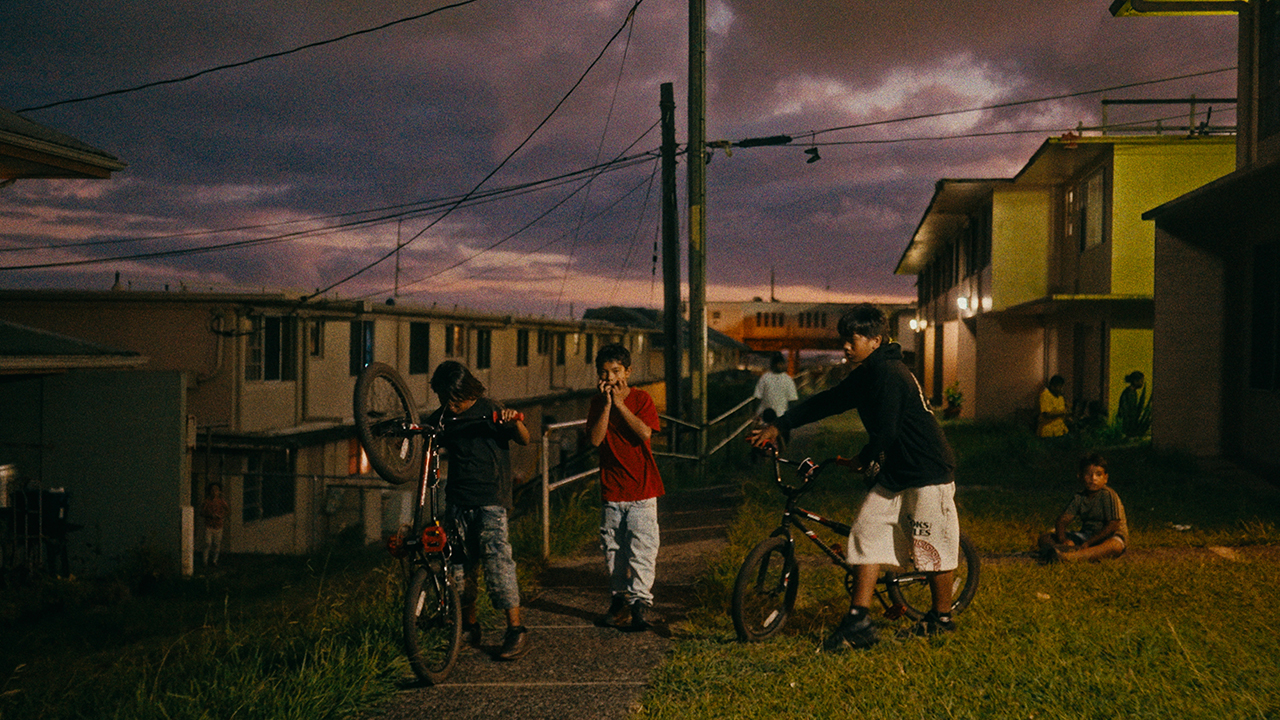
Walea Constantinau: The current contraction has led to fewer attracted productions has inspired more local filmmakers to make their own stories, some of which have been nurtured by Ohina and are showcased here. It’s also created a stronger more resilient community.
What are some recent TV shows or films that have been produced in Honolulu?
Walea Constantinau: Honolulu has a long history with television starting with the first television series to be filmed entirely on location, the original Hawaii Five-0, a show that was also on the forefront of employing local actors who represented the diversity of ethnicities in Hawaii. More recently, Honolulu hosted NCIS: Hawaii (S1-3), the new Magnum PI (S1-4), the new Hawaii Five-0 (S1-10), Monarch (S1), Doogie Kamealoha (S1-3) and Chief of War (S1) who each averaged over 80% local crew. Regarding TV shows currently in production with these incentives, we can’t be specific yet, but I can say we have a high-end TV series and two studio feature films set for Spring 2026.
How have these incentives benefitted the production community in Honolulu?
Walea Constantinau: The Hawaii Production Tax Incentive is the corner stone to the sustainability of the film industry in Hawaii. It’s vital to assist local filmmakers as the entry is a minimum US$100,000 to participate and it’s hyper-critical to be competitive and be able to attract the larger productions that creates the living-wage jobs for our crews, contributes to skills building as local crew work alongside Oscar-winning artists and sets the stage for further infrastructure development.
How else does Honolulu Film support the local production community?
Walea Constantinau: The Honolulu Film Office supports the local industry with soft power – for smaller shows we often work hand-in-glove with filmmakers in the early stages to help them organise the production, guiding them to the most cost-effective and practical locations, assisting with introductions as needed and of course, ensuring that the permitting process is streamlined and the fees remain nominal. For the larger shows we will often pre-scout sites and send images to producers and the studios and help their location teams find the best possible sites. We also assist with identifying resources and working with the team to make sure the process is smooth and enjoyable. And when things go amiss, we are there to assist however we can to solve the issues. Our aim is to be a true partner to the production from start to finish.
What is ‘Ohina and how does it help local talent in Hawaii?
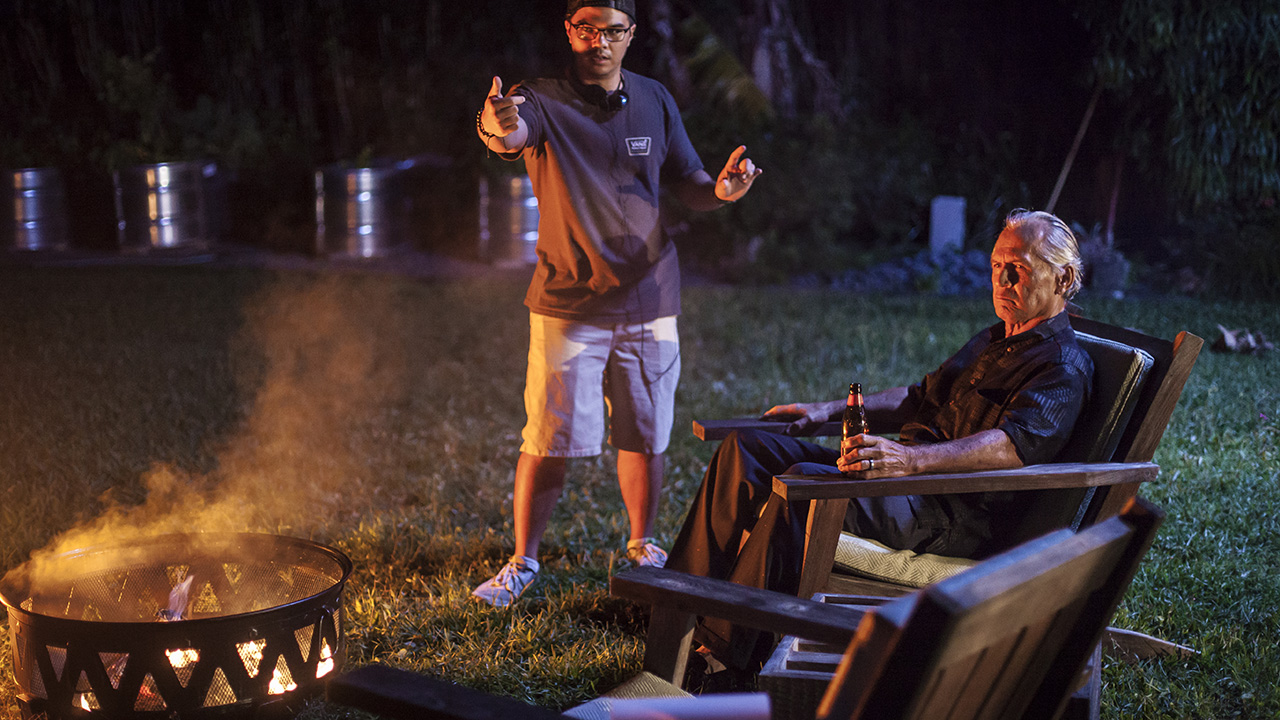
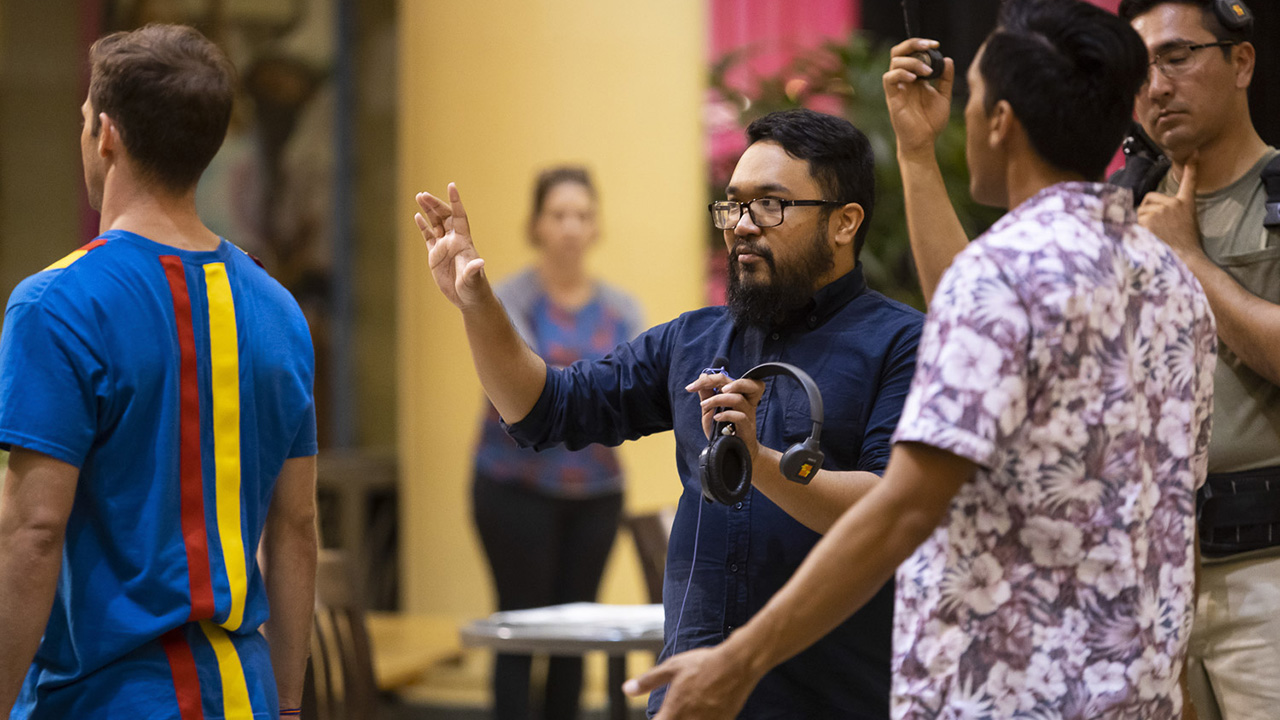
Gerard Elmore: ʻOhina is an incubator and pipeline program for emerging talent in Hawaii – possibly the only one of its kind in the Pacific. It began as a showcase for local short films but has since evolved into a development program that selects projects at the script stage and pairs writers with established Hollywood or industry mentors. Each year, one project receives the Greenlight Award and US$10,000 to produce the film. The lab is now eight years old and has supported the creation of over 30 short films. This year, we also launched a Producers Lab, pairing emerging producers with Greenlight-winning scripts to help bring those films to life. This will help nurture up-and-coming producers and help even more films get made.
What funding is available in Hawaii for emerging talent?
Gerard Elmore: Historically, organisations like Pacific Islanders in Communications and federally funded grants played a major role in supporting local filmmakers, but many of those resources have been reduced. Today, much of the support comes through private companies, branded content opportunities, and local nonprofit organisations committed to elevating the arts.
What are some of the success stories of talent that has been through the Ohina program?
The program has nurtured several major successes. In our first cohort, Alika Tengan – mentored by Black Panther writer Joe Robert Cole – became the first native Hawaiian filmmaker to premiere a narrative feature at Sundance. Mitchel Merrick, whose first ʻOhina short won the Greenlight Award, has earned multiple accolades; that film was acquired by Dust and the Criterion Collection, and his most recent short, Kūkini, has gone viral. Bryson Chun, from our second year, now writes for medical drama Doogie Kameāloha, M.D. on Disney+ and Moana 2 for Walt Disney Animation Studios. Erin Lau, from our inaugural class, recently directed an episode of Hawaii Rescue Surf, becoming the first native Hawaiian woman to direct an episode of network television.
What are the biggest challenges facing the local film and TV talent in Hawaii?
Gerard Elmore: Funding remains the biggest challenge. Hawaii competes with entire countries and states that offer more robust incentives and infrastructure for production. This forces local creatives to work harder to break through – but it also drives innovation and resilience, pushing us to create work that stands out on a global level.
Is Hawaii talent embracing YouTube? If so, how?
Gerard Elmore: Are there other outlets they are using? Yes. YouTube has become a powerful platform for Hawaii-based filmmakers because it offers immediate global reach. While our films perform well on the festival circuit, online releases allow them to connect with much larger audiences. Kālewa, our first major online release, reached international viewers, and Kūkini has already surpassed 665,000 views and continues to grow.
What advice can you give international producers interested in building partnerships with Hawaii-based creatives?
Gerard Elmore: We want producers to know that Hawaii talent is ready and fully capable of collaborating at the highest level. Our creatives understand the islands intimately and can deliver strong results at any budget level. Hawaii is home to innovative storytellers who excel at crafting fresh, culturally grounded, globally resonant work.
There seems to be a strong partnership with the Honolulu Film Office. What can you tell us about that?
Gerard Elmore: Nearly all local productions rely on the Honolulu Film Office for permitting, guidance and logistical support. Each year, their team visits our Lab Program to speak with fellows and emerging filmmakers, fostering early relationships and open communication. Their continued support strengthens our creative community and helps elevate Hawaii stories to new heights.

C21Insight subscribers.
You can access this subscription story - and hundreds more like them every month - for as little as £17/month.
CLICK HERE FOR MORE INFORMATION AND TO SUBSCRIBE
We'll email you a magic link to log in - no password required
For phone support, please call C21 on +44 (0) 20 7729 7460